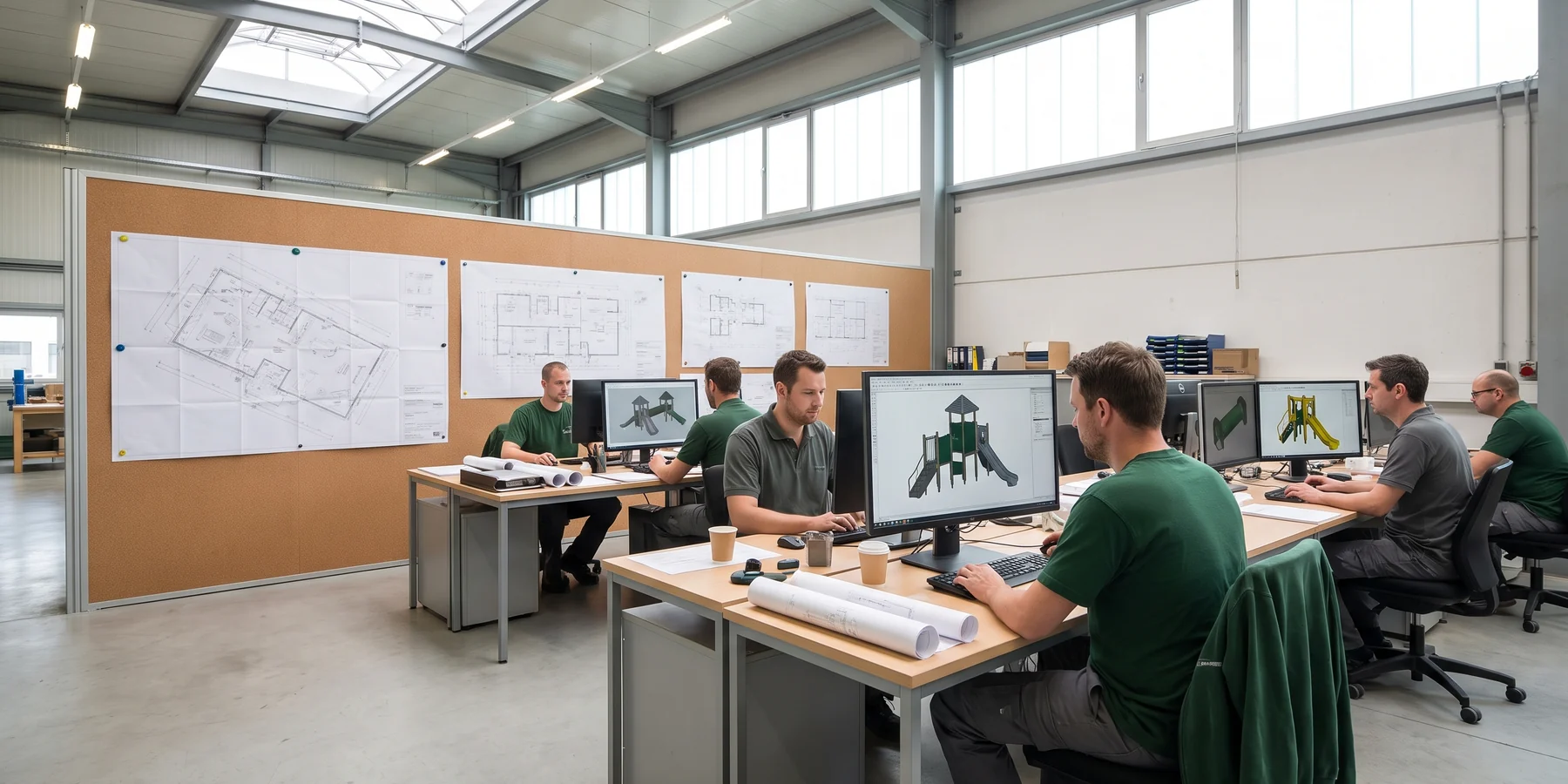
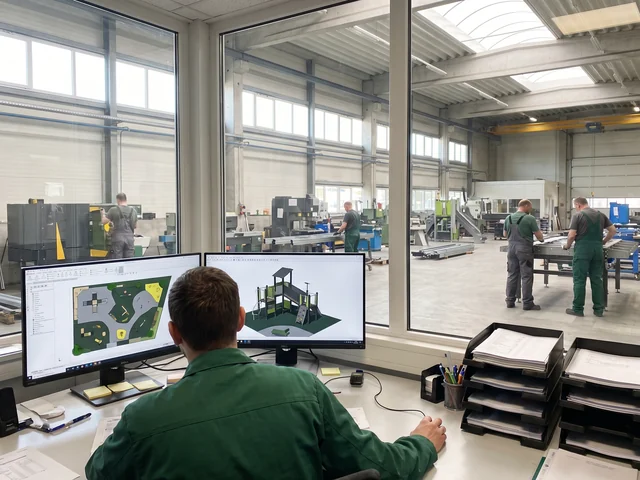
WS-01 · Design office
Site plan to installation drawing
Your site plan becomes a 2D plan and 3D renders; after approval, the installation drawing and footing detail drawings every workshop works from.
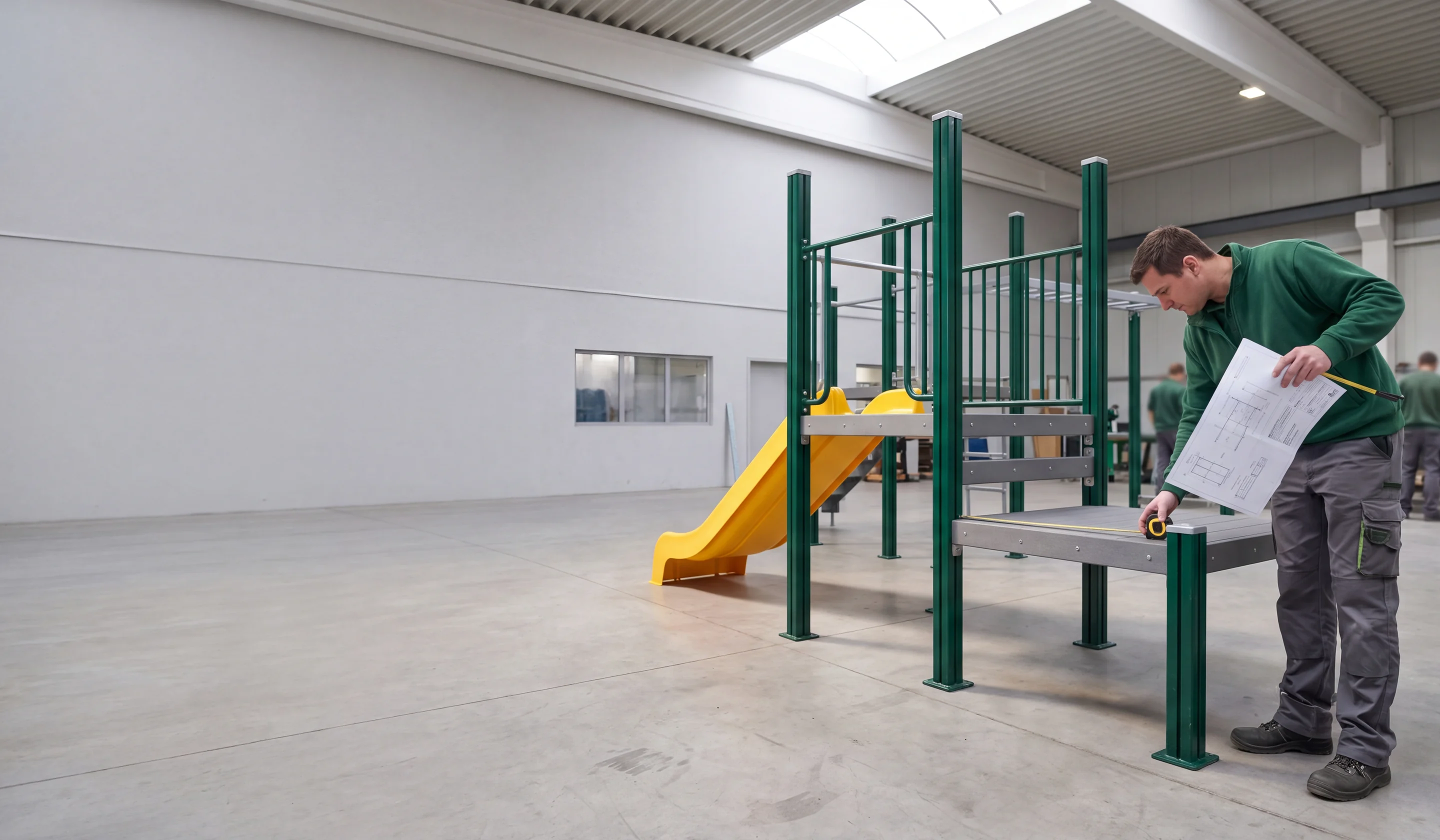
About · Since 2012 · 12+ years in commercial play
Run Playgrounds designs, builds and ships commercial play projects from its own workshops and audited partner factories — for playground dealers and installers first, then parks departments, public schools, specifiers and FEC founders.
Register · how every project is run
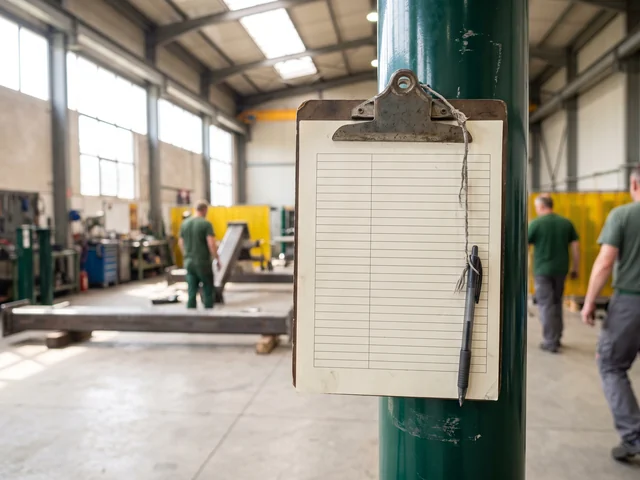
A commercial playground manufacturer supplying complete play projects for public and commercial sites, each one run through a single project manager, a single layout and a single container plan.
Partner items come from factories we audit and inspect, drawn on the same layout and loaded to the same container plan. The full range sits on the commercial playground equipment hub.
How each group works with the factory is set out on the home page.
Each step added a capability the factory did not have before, and each one is still running on the floor today.
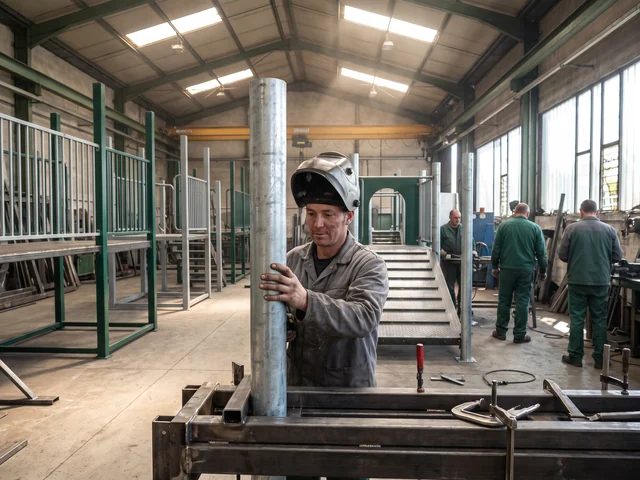
Outdoor steel play structures begin: posts, frames and decks for parks and schools.
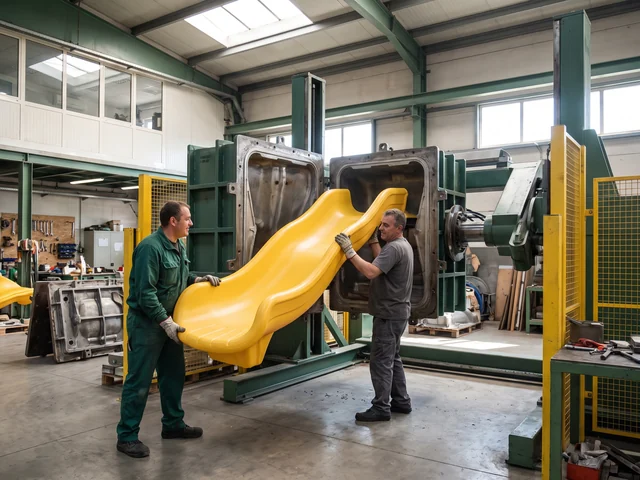
Slides, tunnels, roofs and spring-rider bodies molded in-house from molds the company owns.
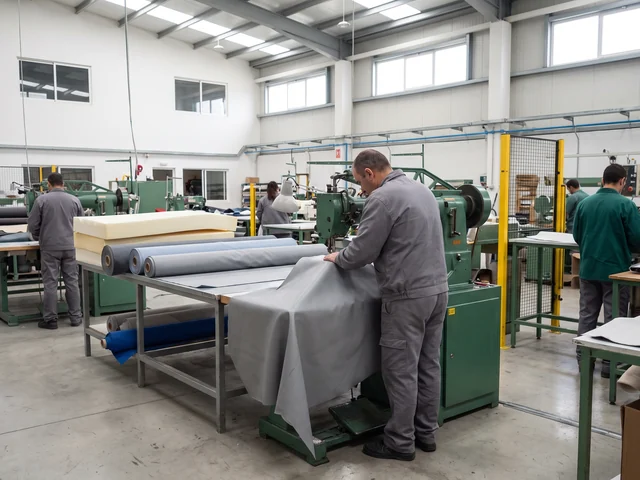
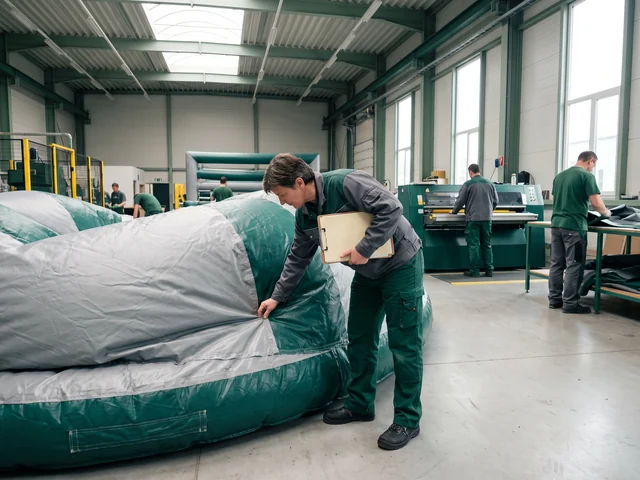
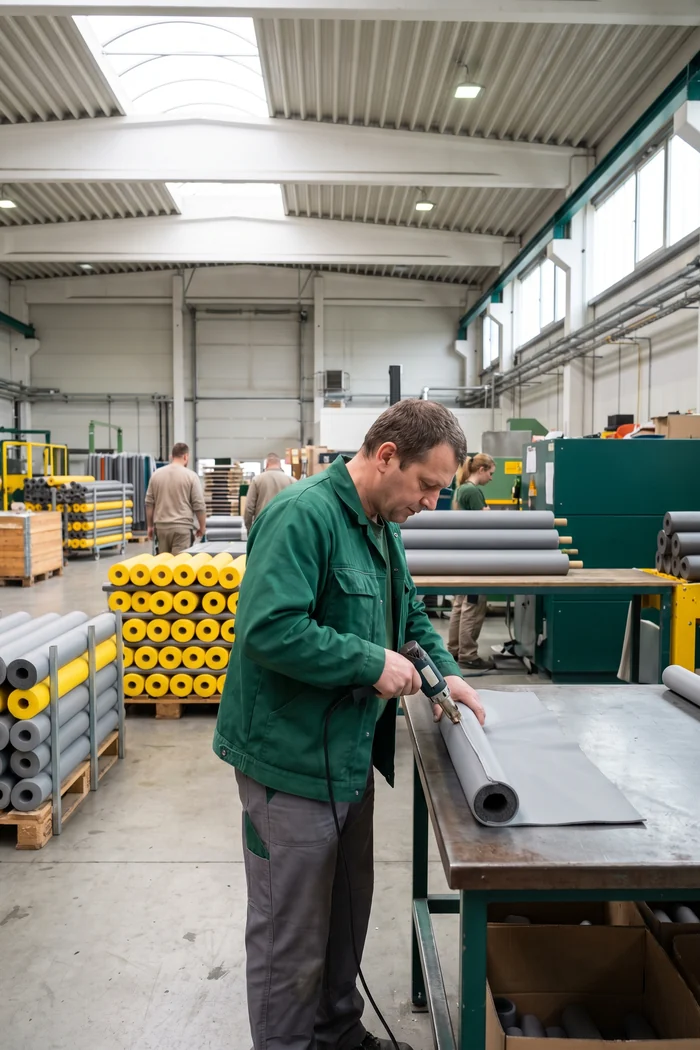
Padding, netting and mats made in-house, so complete soft play structures leave one factory.
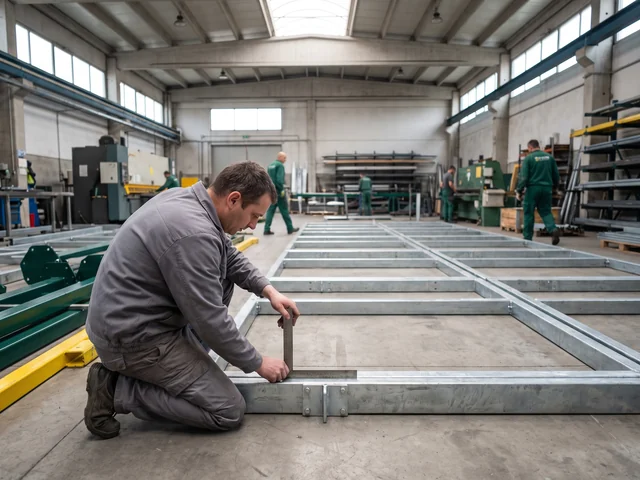
The steel shop takes on trampoline courts and ninja courses; the sewing room makes their pads.
From here on, every quotation starts from a 2D and 3D layout of the buyer's own site.
Inflatables, rides, splash pad parts, surfacing and shade fabric join projects under our QC.
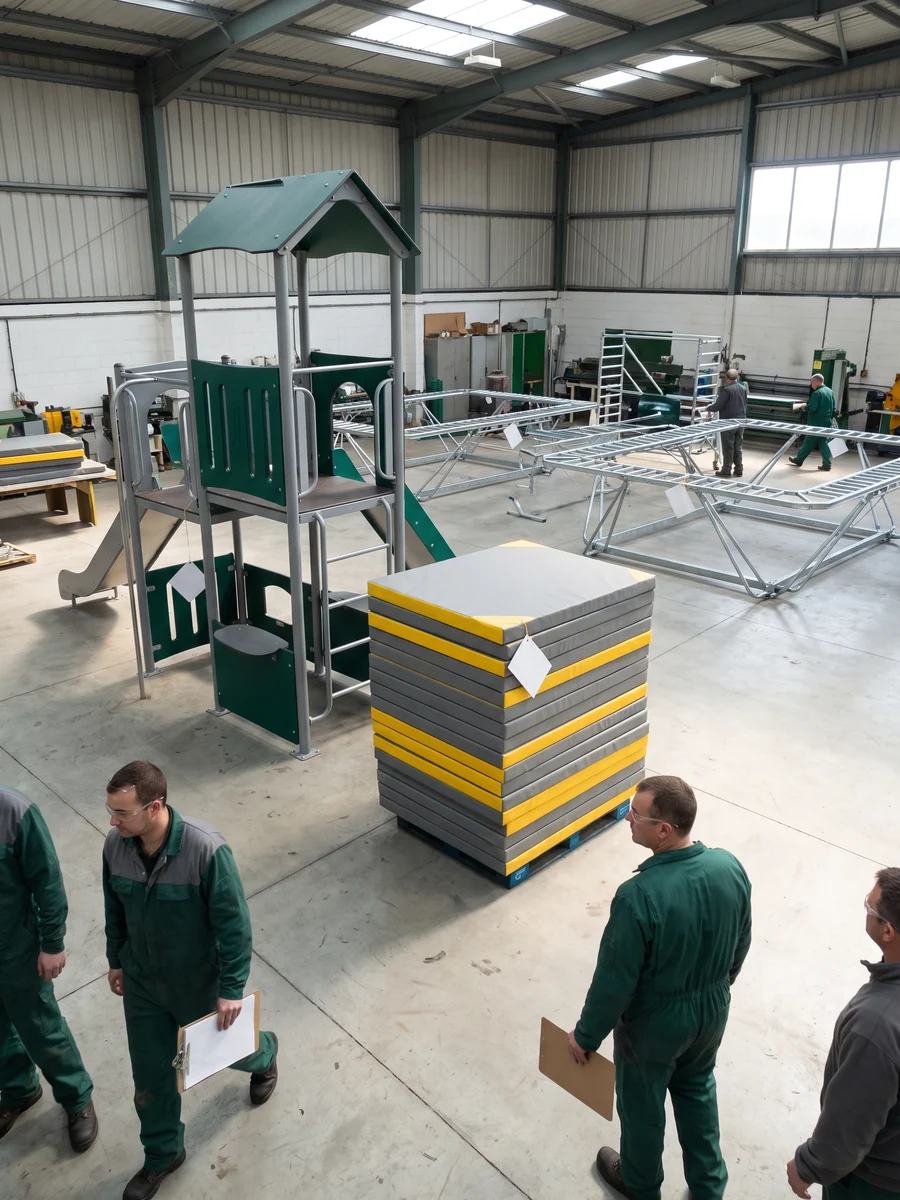
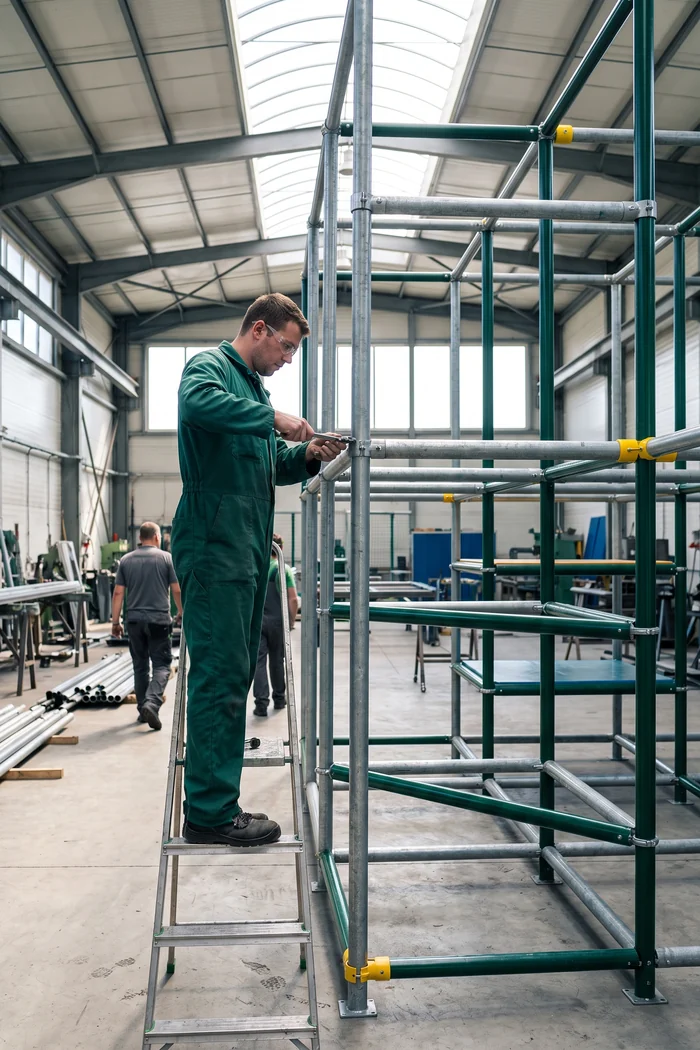
Every outdoor structure is built in the yard before packing, and every part numbered to the drawing.
Until 2016 every workshop made outdoor equipment only. Two additions since then let the factory build the main attractions of an indoor venue itself, with one project manager holding the floor plan.
Industrial sewing lines, foam cutting and heat sealing for PVC covers bring padding, netting and mats in-house. A soft play structure now has two sources inside one factory:
Steel fabrication added court frames and ninja structures; sewing added their 50 mm spring-cover pads. Jump beds and springs come from a partner factory and pass our QC before loading.
Soft play, trampoline courts and ninja courses drawn together and made to the same drawing, with inflatables and kiddie rides joining from partner factories. One project manager answers for all of them.
Pads and covers carry their structure's numbers like any outdoor part, and themed cover colors follow your approved drawing. Packages and building inputs are covered in indoor playground equipment.
Five rules settle what happens when the schedule and the quality of a part pull in different directions.
The same person holds your layout, quotation, drawing and loading date from the first message to the sealed container. No part of your project is left without someone answering for it.
Workshops cut, weld, mold and sew to it; inspectors check against it; every part is numbered to it. When something changes, the drawing changes first.
The QC team reports outside production. A part that fails a check is held, and only a passing re-check by QC lets it continue.
Items from partner factories are inspected against your drawing and spec before loading, exactly like parts from our own workshops.
When a part is held, photos and the planned fix reach you within one business day — before anything is packed.
The factory is laid out in the order your project moves through it. Raw material clears the incoming check at receiving before it reaches any of the workshops below.
How each process works: playground equipment manufacturingYour site plan becomes a 2D plan and 3D renders; after approval, the installation drawing and footing detail drawings every workshop works from.
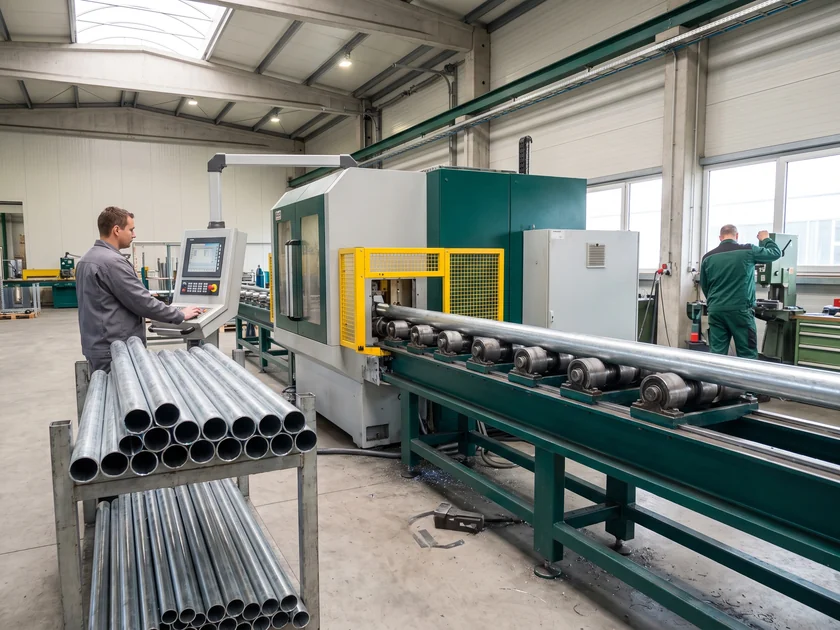
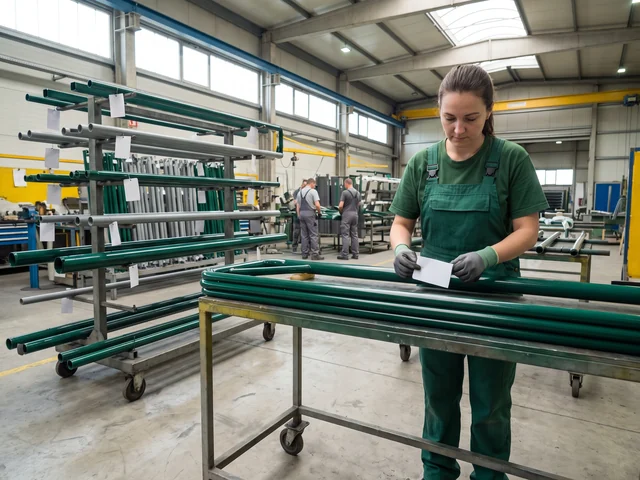
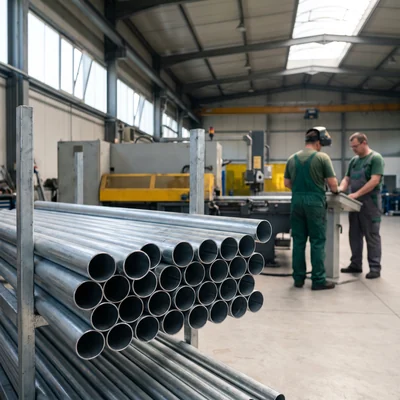
Tube becomes posts, frames and decks for play structures, fitness stations, courts and ninja courses.
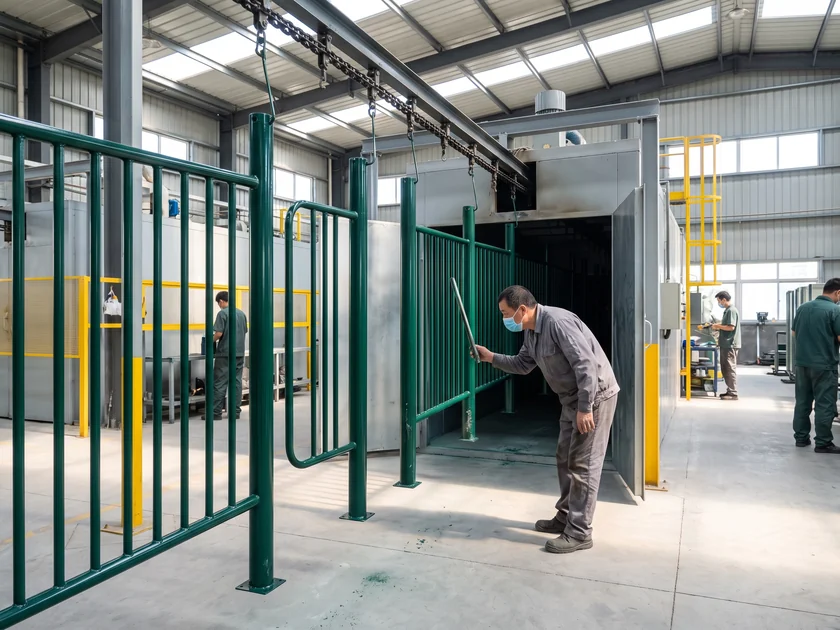
Galvanized steel returns from the partner plant for blasting, powder coating and oven curing on our own line, checked batch by batch.
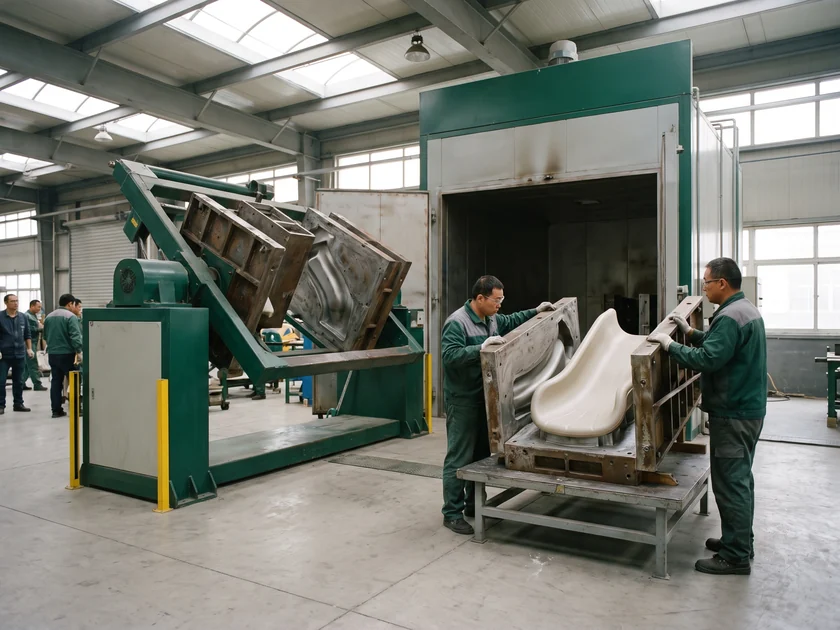
Molded from our own steel molds; wall thickness measured on every slide and tunnel.
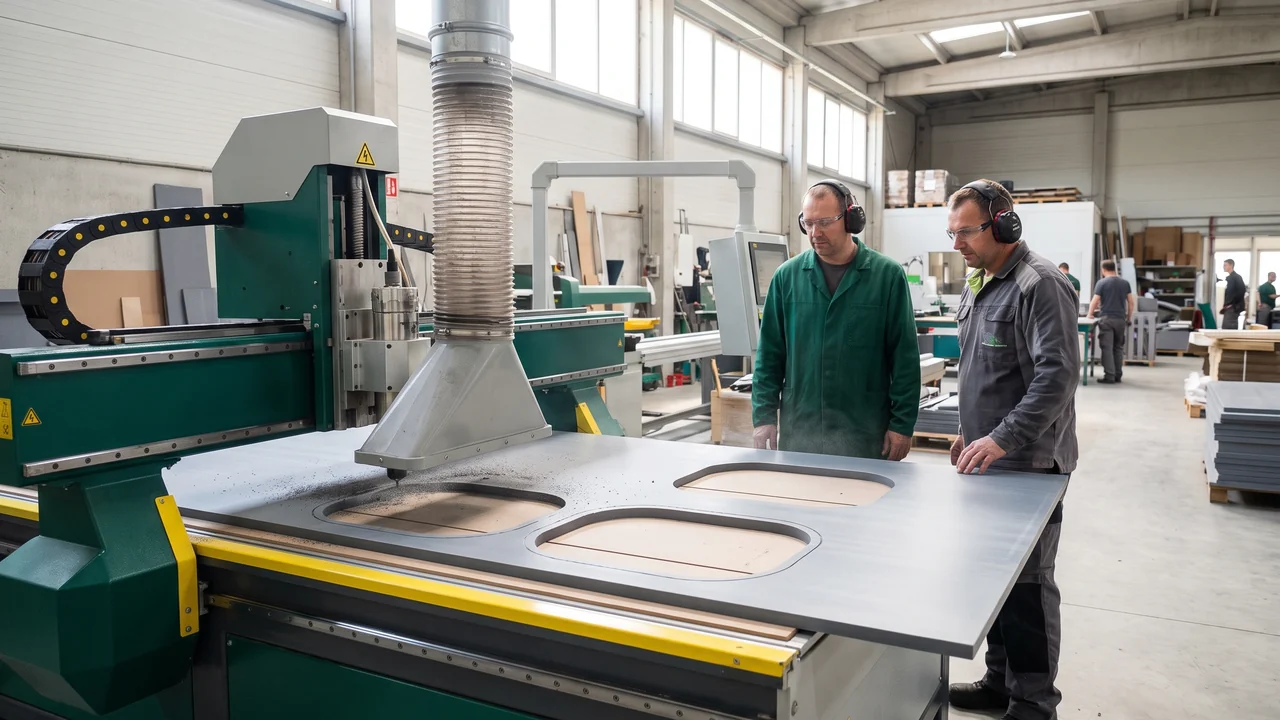
Sheet cut into panels, play panels and signage, every edge rounded.
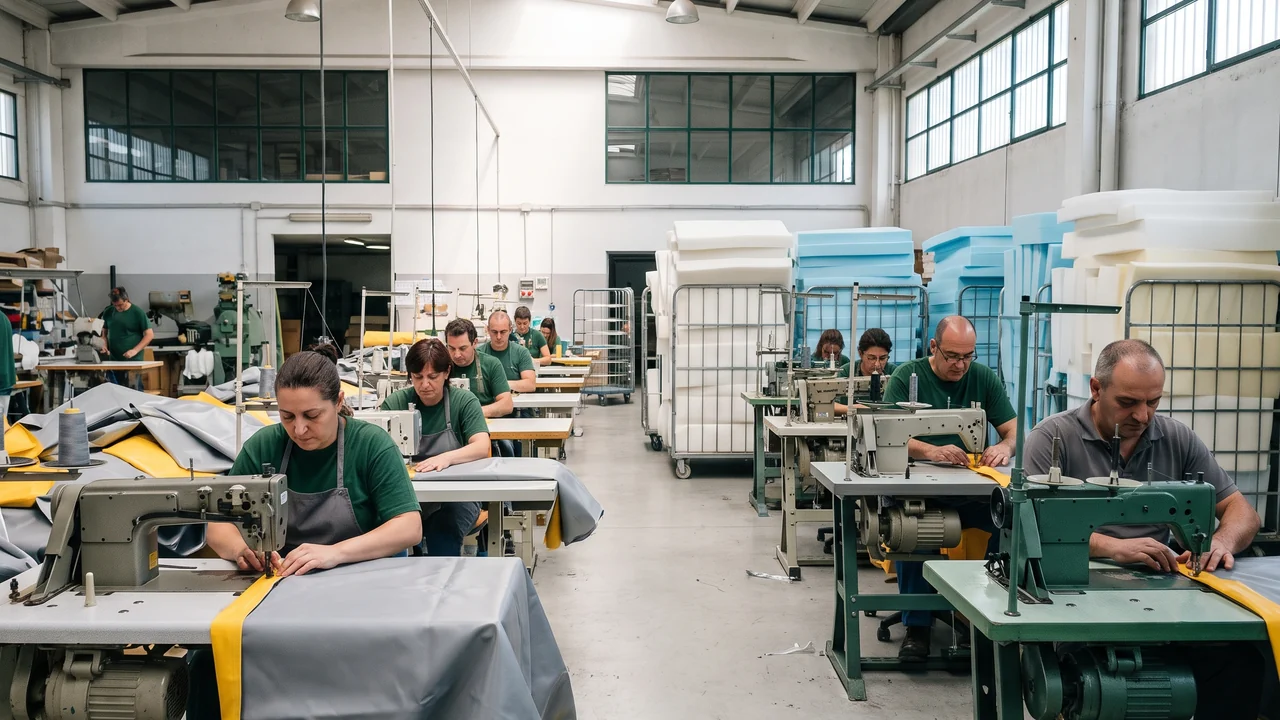
For soft play structures, trampoline courts and ninja courses.
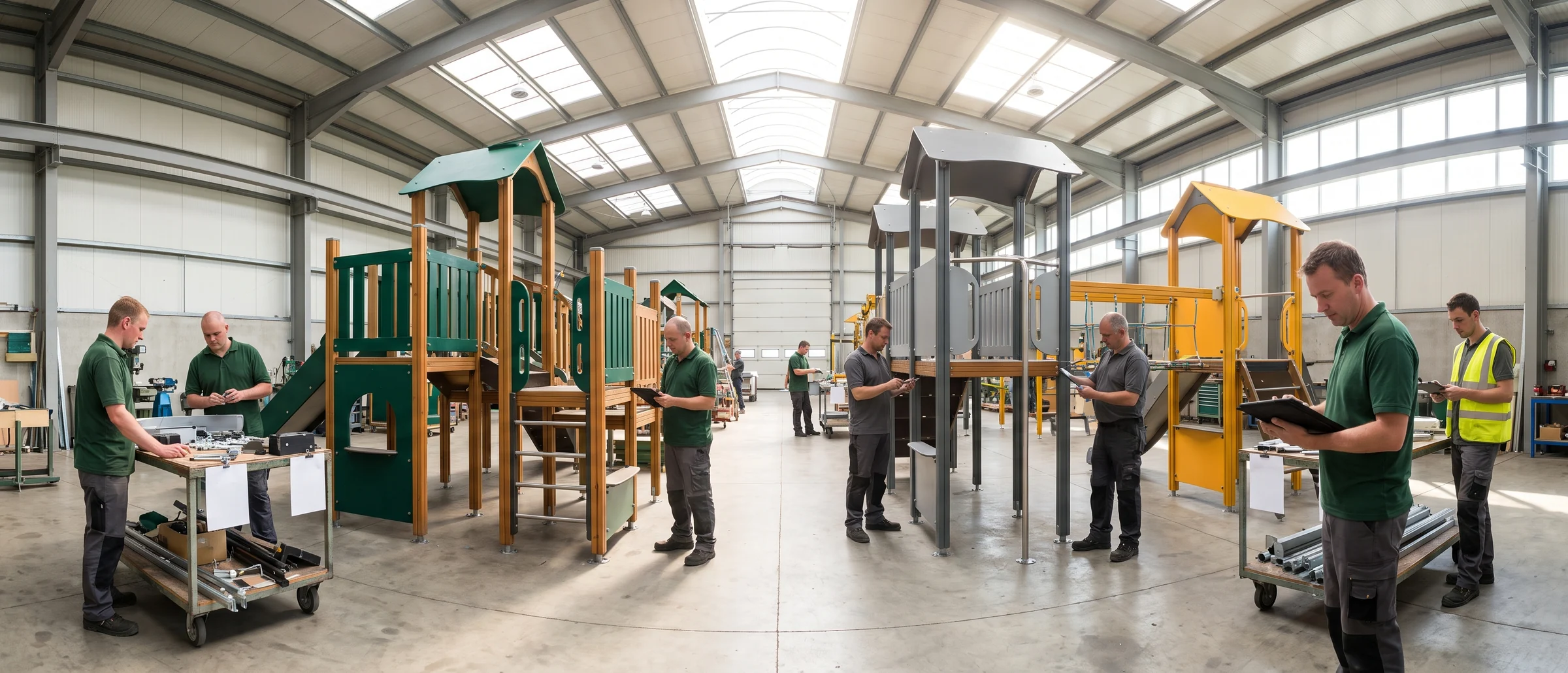
Every outdoor structure is assembled and checked connection by connection, then taken apart and numbered for packing.
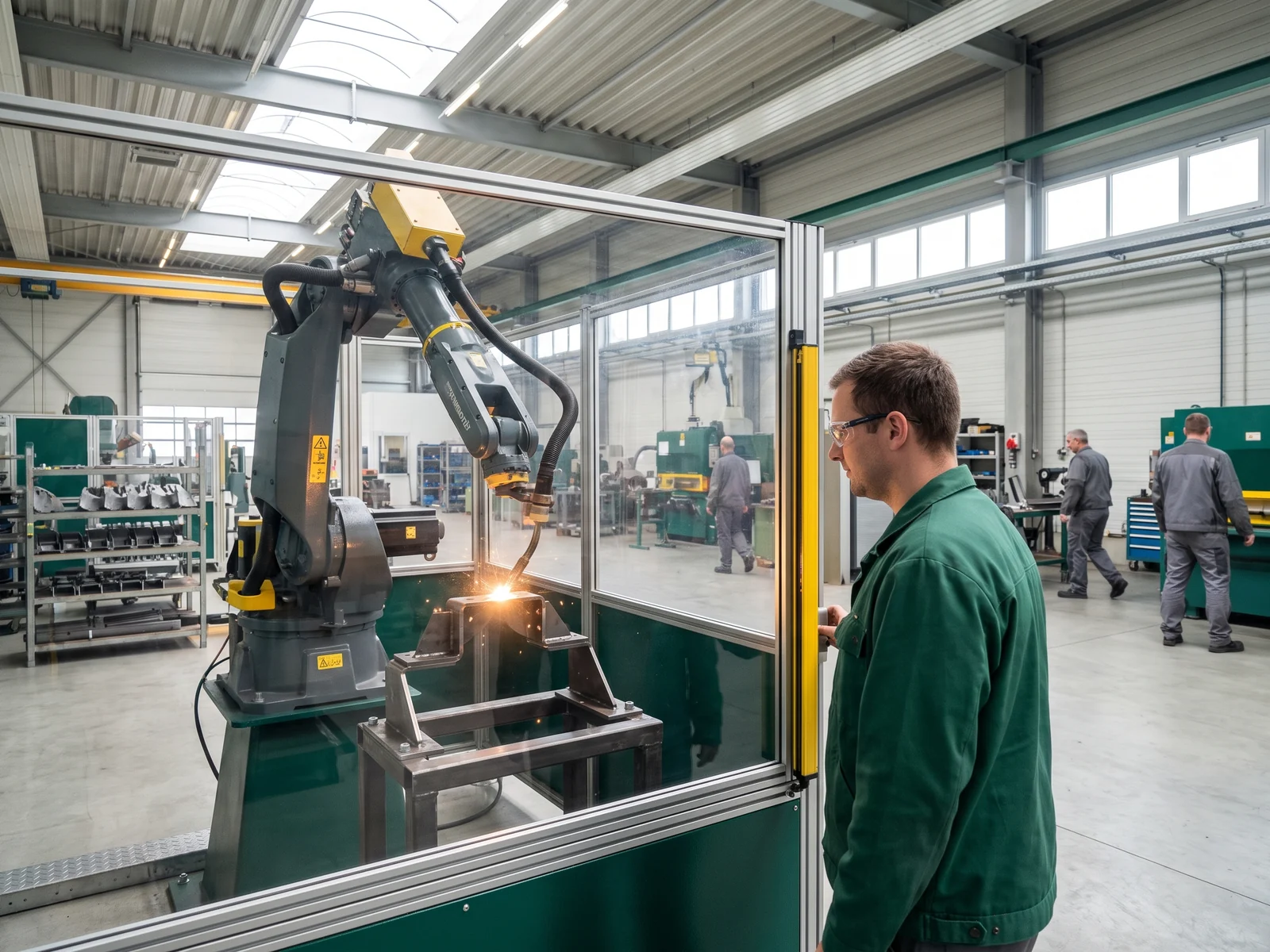
The workshop the company started with in 2012 still makes the parts backed by the 10-year steel warranty: posts, frames, decks, fitness station frames, trampoline court frames and ninja structures.
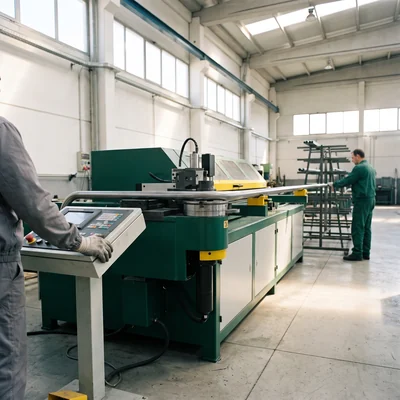
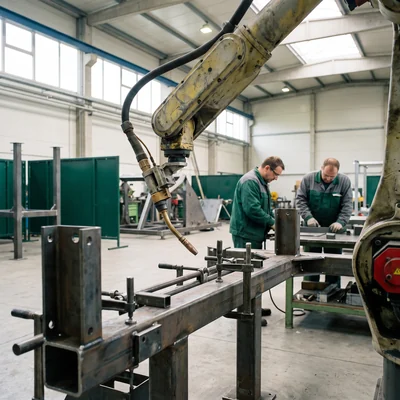
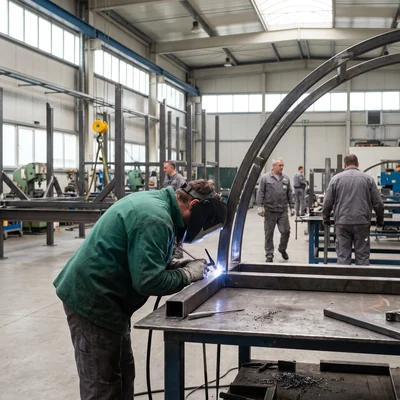
Deck-to-post connections, rail brackets and frame corners appear on structure after structure, so a robot welds them the same way on your first order and on a reorder.
Frames drawn for one site are welded manually by welders working straight from your installation drawing.
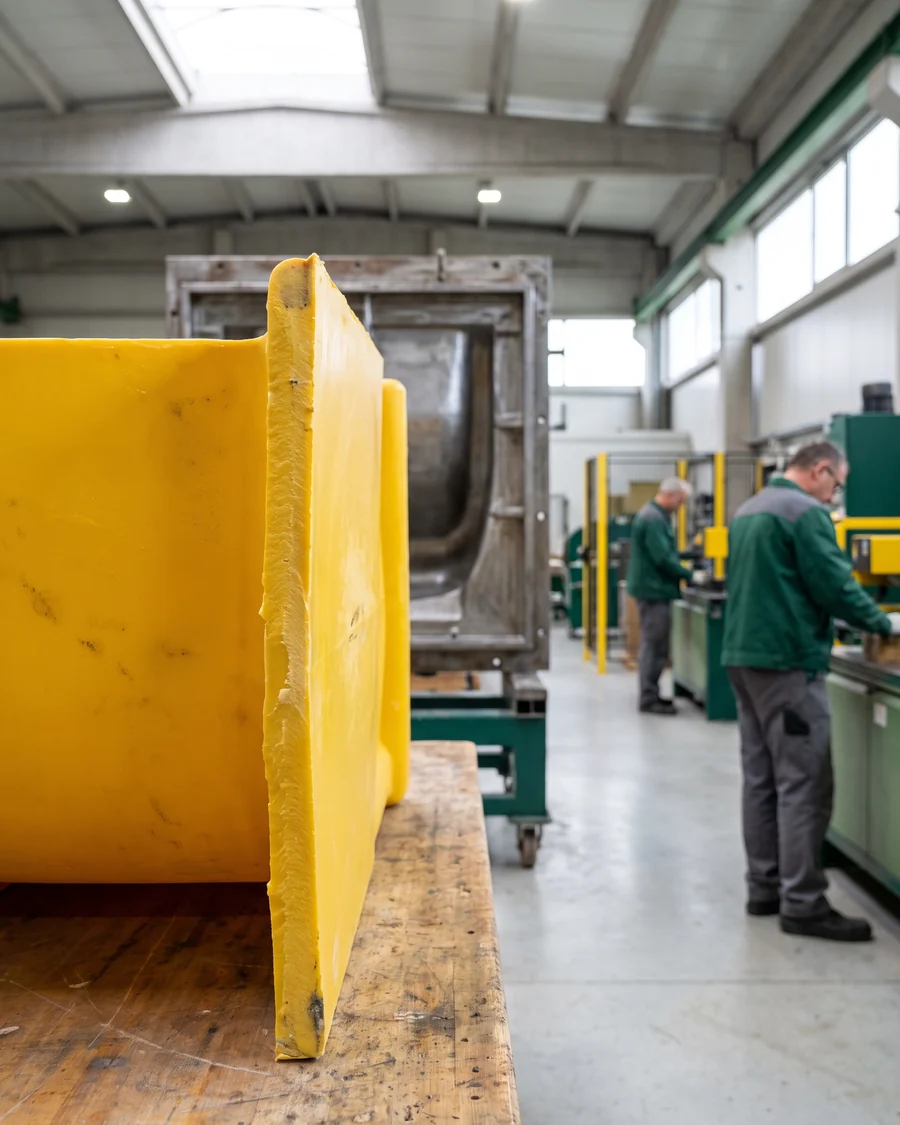
Since 2014 slides, tunnels, roofs and spring-rider bodies have come out of the company's own rotomolding workshop, from steel molds that belong to it.
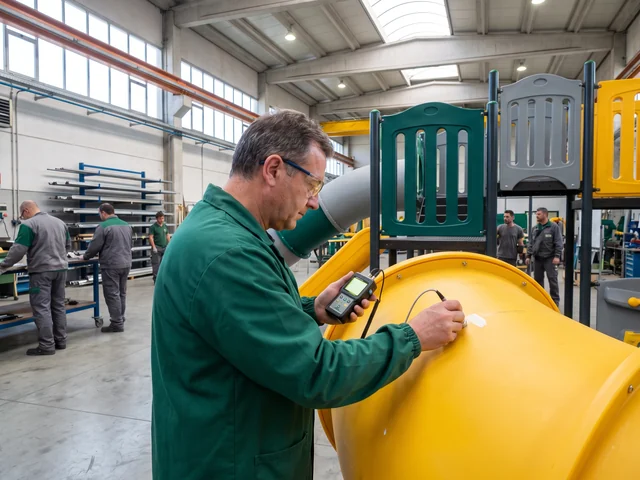
After molding, an ultrasonic thickness gauge reads each slide and tunnel at set points. A piece under the drawing is held back from pre-assembly.
The readings for your slides and tunnels stay with your project and are shared on request.
Book a factory visit while your own project is in production.
Your frames, slides and panels will be on the floor to check against your drawing.
Book a Factory Visit WhatsApp +86 177 0272 7677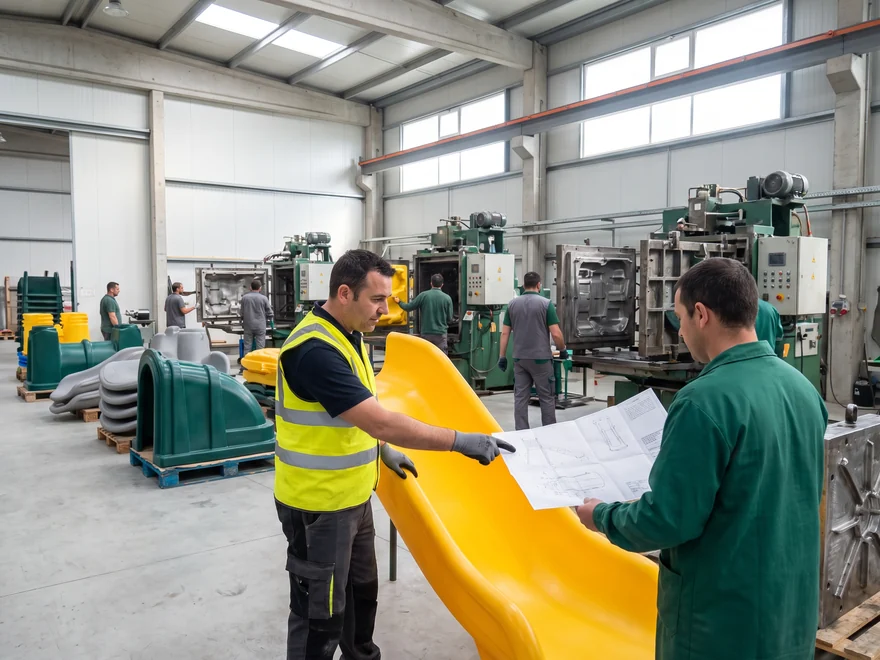
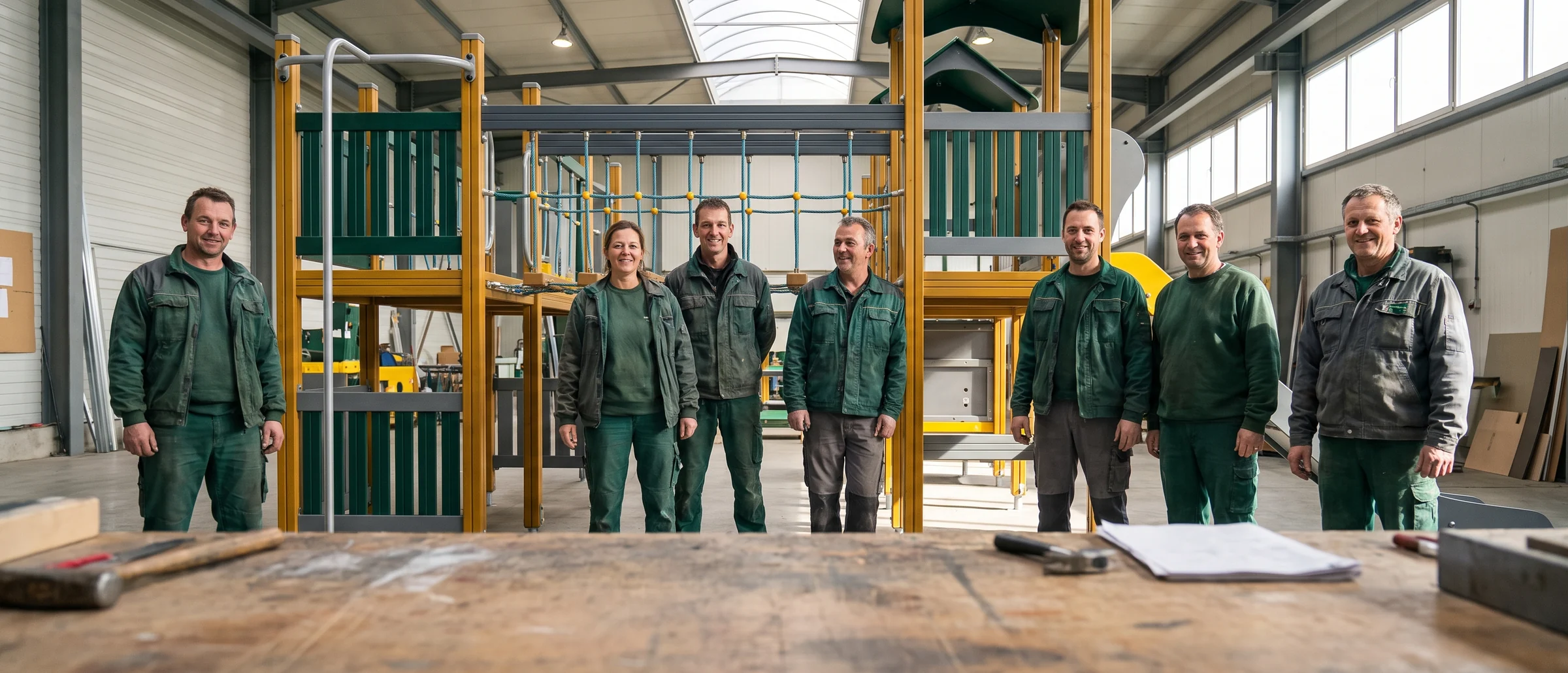
Every step on a project has one owner, and every step that releases work carries a signature.
| Role | What they own | What they sign or release | Sign |
|---|---|---|---|
 Anna, Sales Manager Anna, Sales Manager | Your first message, a reply within 24 hours on business days, and assigning your project manager | The start of your project | SM |
| Project manager | Layout, quotation, drawing revisions, the loading date and every message to you | Your approved drawing into production | PM |
| Layout design team | 2D plans, 3D renders, installation drawings and footing detail drawings | The drawing your parts are numbered to | LD |
| Steel, rotomolding, panel and sewing workshops | Making every part to the approved drawing | Finished parts handed to QC for checking | WS |
| QC team | Incoming, in-process, pre-assembly and packing checks, plus partner-built items | Release of every held part; sign-off of each assembled structure before it is taken apart | QC ReleasedSigned by QC |
| Packing and loading | Numbering, packing in installation sequence and loading | Loading photos of each container before sealing | PK |
| You | The layout and drawing, reviewed against your site | Approval of the drawing before production starts | Your signature |
You approve the drawing before any cutting starts. From then on every release inside the factory is signed by QC, and every message to you comes from your project manager.
Your project is registered under your name, the project manager deals only with you, and your end client's details stay confidential. The dealer program is on the home page.
Your project manager is the one person on our side who answers for the whole project, across every workshop and every partner factory on it.
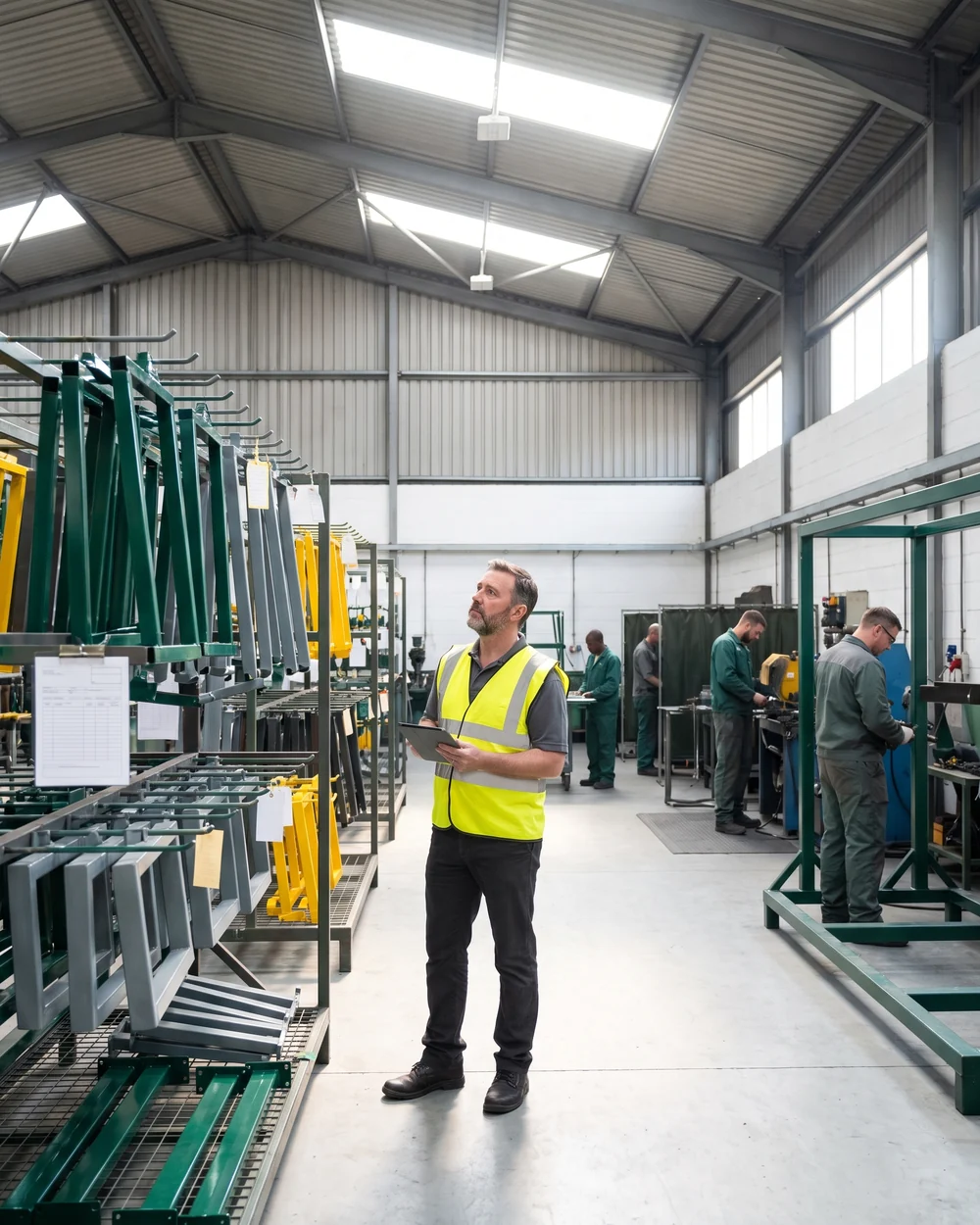
What the project manager holds
Steel, coating, rotomolding, panel and sewing work, and orders placed with partner factories, are all scheduled back from that one date. If a partner item fails inspection, its remake or replacement is arranged before loading day.
The project manager is the one who calls you: photos of the part, what failed and the fix, within one business day. You learn about it from us, not from a surprise inside the container.
The QC team does not report to production. Its job is to decide whether a part moves to the next step, and it can stop any part on any project.
Can reject a material batch and send it back before it enters a workshop.
Can stop a welded or coated part before it moves on.
Signs off each assembled outdoor structure before it is taken apart.
Checks each box against the packing list before it goes into the container.
The same team inspects every partner-built item against your drawing and spec before loading.
How a hold works · part S1-014
The part is tagged and stays exactly where it is.
Work on it pauses; the rest of the project keeps moving.
Sent by your project manager within one business day.
Whichever the fault calls for.
QC checks it again; a second fail sends it back to step 04.
The person who releases a part is never the person who made it.
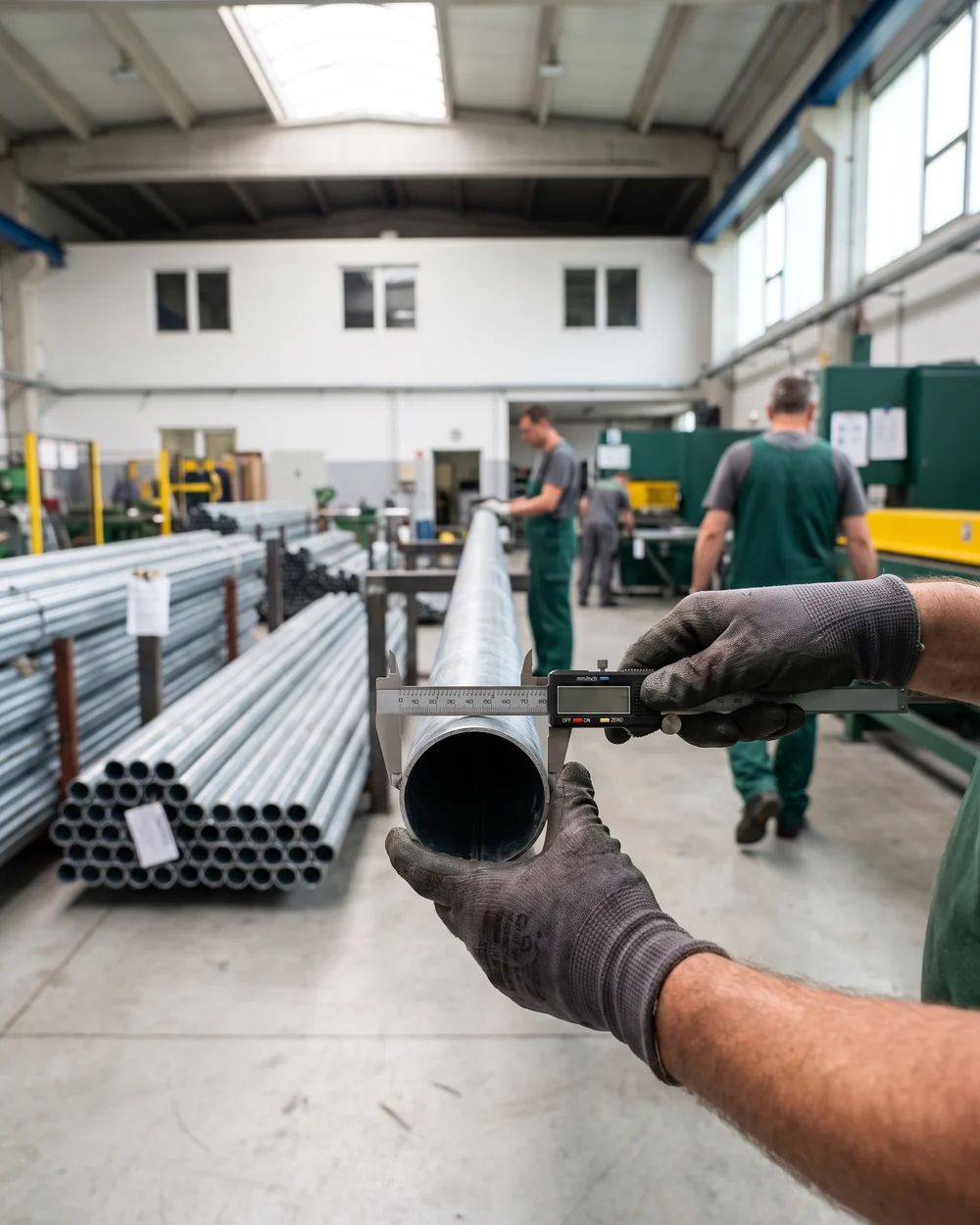
The first of the four checkpoints happens at receiving. Material that fails never reaches a workshop.
| Material | Checked with, batch by batch | Against |
|---|---|---|
| Steel tube | Caliper and thickness gauge: diameter and wall | 1Ø114 × 3.0 mm |
| HDPE sheet | Thickness measured | 219 mm |
| Rope | Diameter measured | 316 mm |
| Fasteners | Checked for grade marking | 4304 stainless |
| Rotomolding resin | Grade checked | UV-stabilized |
It is never cut, molded or sewn into a project part. The workshop waits for a conforming batch while your project manager keeps the loading date in view.
A tube short on wall thickness is stopped as raw stock, before it becomes a welded, coated post. The four values marked above are the same ones you can measure on arrival against your spec sheet.
Three kinds of readings are filed with every project, and buyers and specifiers can ask for all of them.
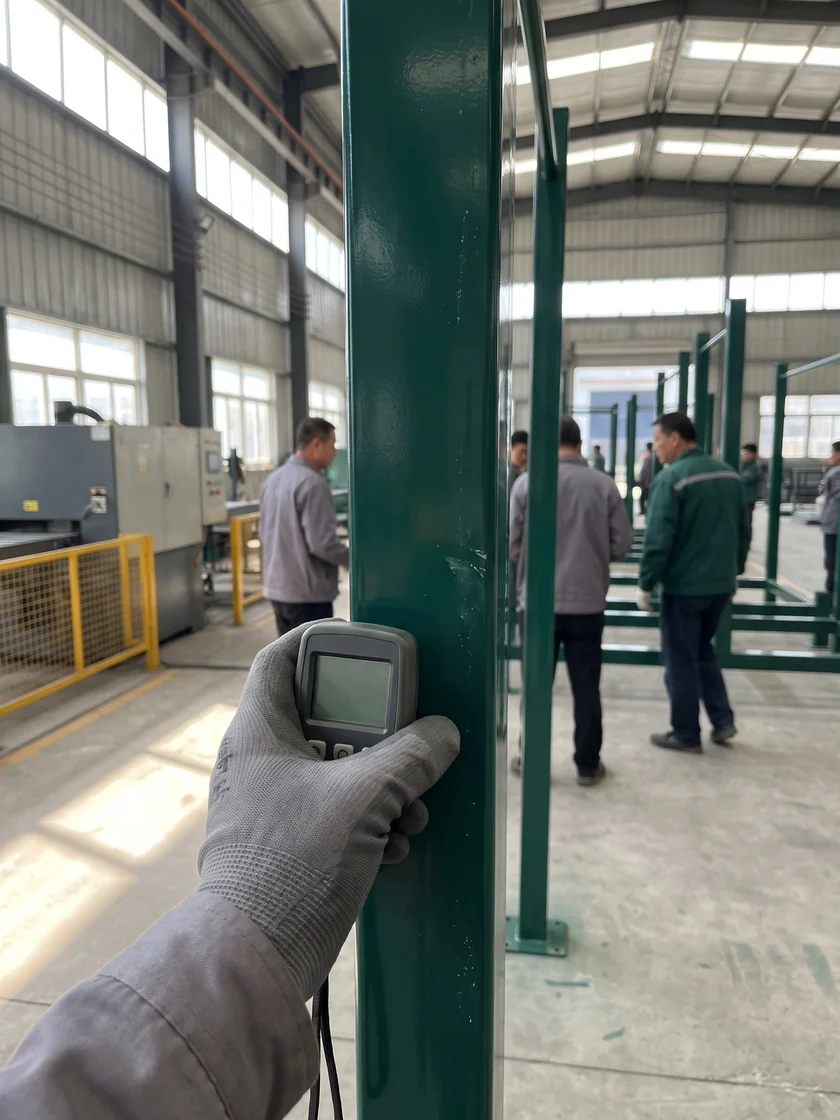
Galvanized steel comes back from the partner plant, then is blasted, powder coated and cured in our own oven. A coating thickness gauge reads each batch, and the result is logged against the project that batch belongs to.
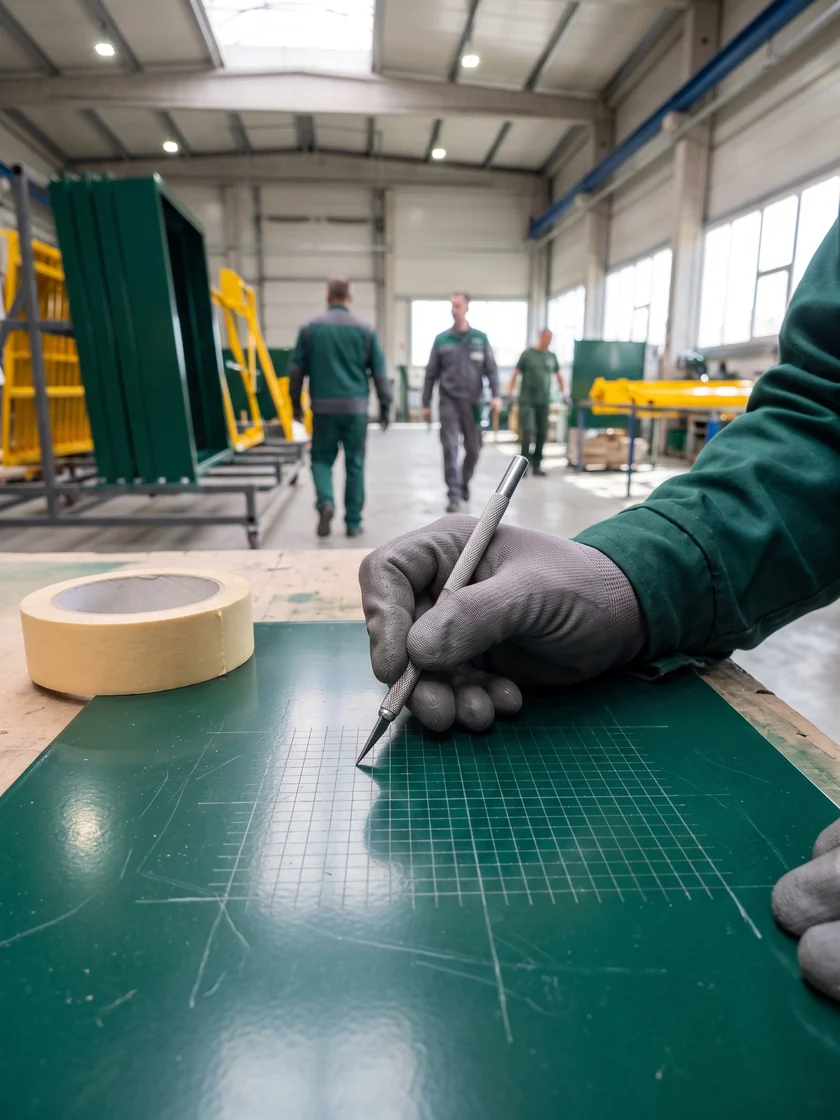
The coating on each batch is cut in a grid and checked for lift. A batch that lifts is held, corrected and re-checked before any part from it goes on to pre-assembly.
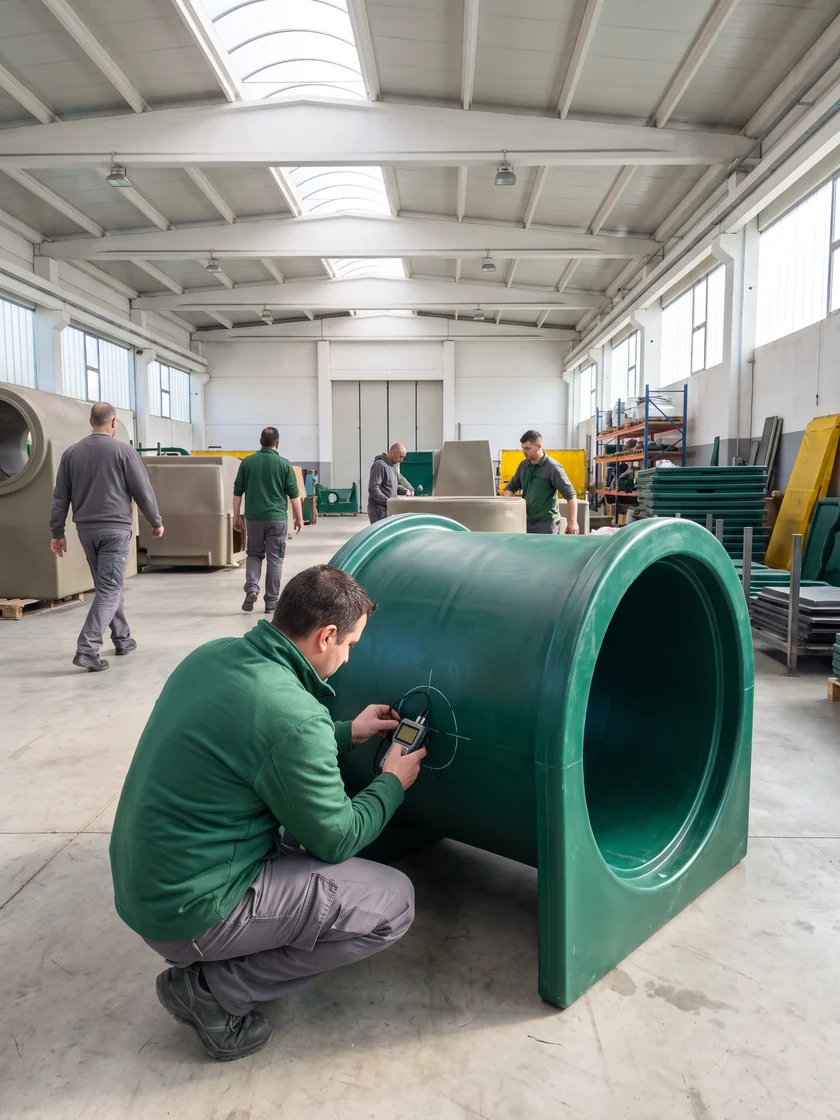
Each rotomolded slide and tunnel is read at set points with an ultrasonic thickness gauge, and the readings are logged piece by piece.
Your project manager sends them. They sit with your installation drawing, part list and packing list in one project file, not in a general factory log.
Request QC RecordsKept with your project file and sent by your project manager on request.
A lifting batch is held and re-checked before any part moves on.
Readings are logged per piece at set points.
Three layers: the standard your project names, the drawing that carries it, and the checks that hold parts to it.
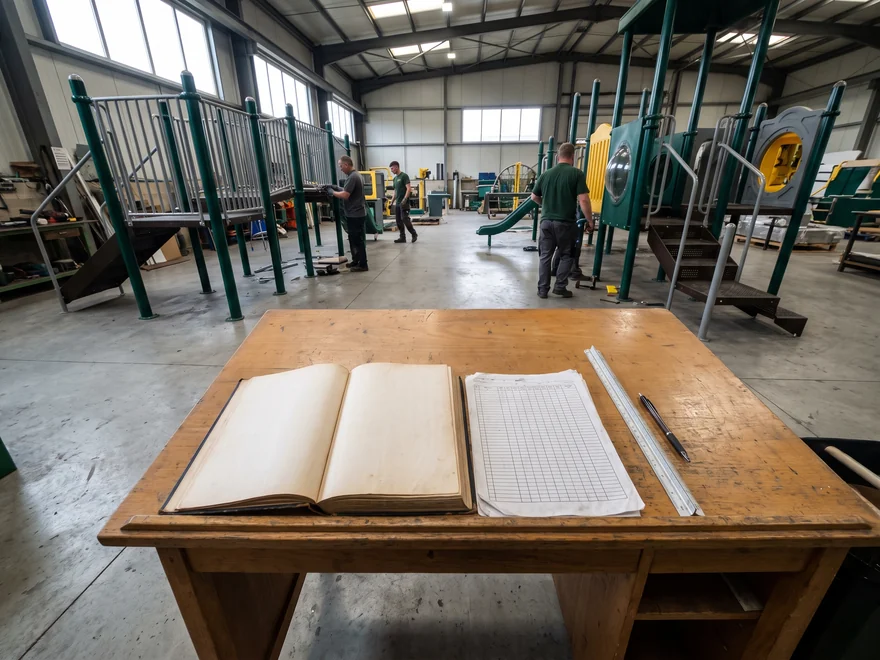
You name it in your site information, and the layout and installation drawing are drawn to it. ASTM F1487 and the CPSC Public Playground Safety Handbook for the USA; EN 1176 and EN 1177 for the UK, EU and Australia. Each quotation lists the compliance documents for that standard.
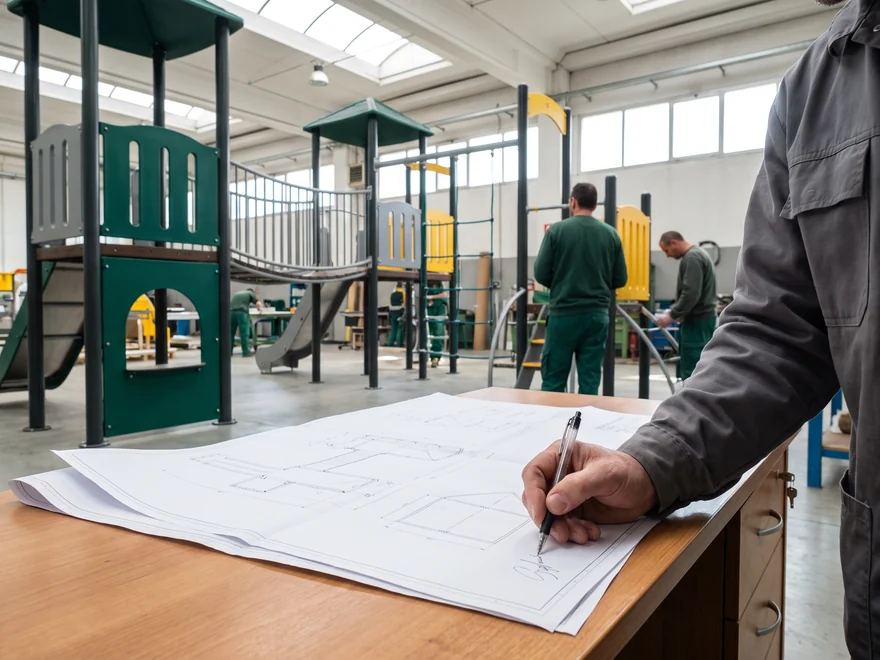
Once you approve it, the drawing and the spec sheet are what the workshops make to and what inspectors measure against.
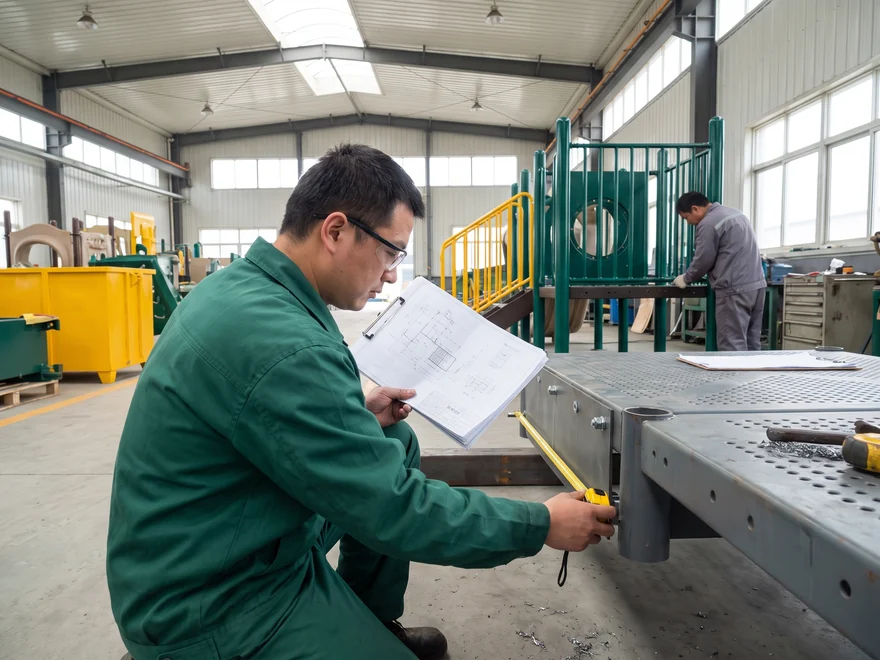
Incoming, in-process, pre-assembly and final packing, plus partner items before loading — the authority at each one is set out under the QC team.
Third-party testing, and fire testing of soft play materials, are arranged per project on request, to the standard the project requires. Market-by-market standards are on the home page.
No workshop can release its own held part. Only QC can.
QC ReleasedSince 2022 projects have included categories made by partner factories, so a buyer can order a complete site from one supplier.
18 oz (0.55 mm) PVC tarpaulin bouncers, slides and obstacle runs.
Electric rides for indoor venues and FECs.
Nozzles on stainless manifolds.
Rubber tiles and poured-in-place EPDM.
Cut to the shade structure on your drawing.
Polypropylene beds and galvanized springs for court frames built in our steel shop.
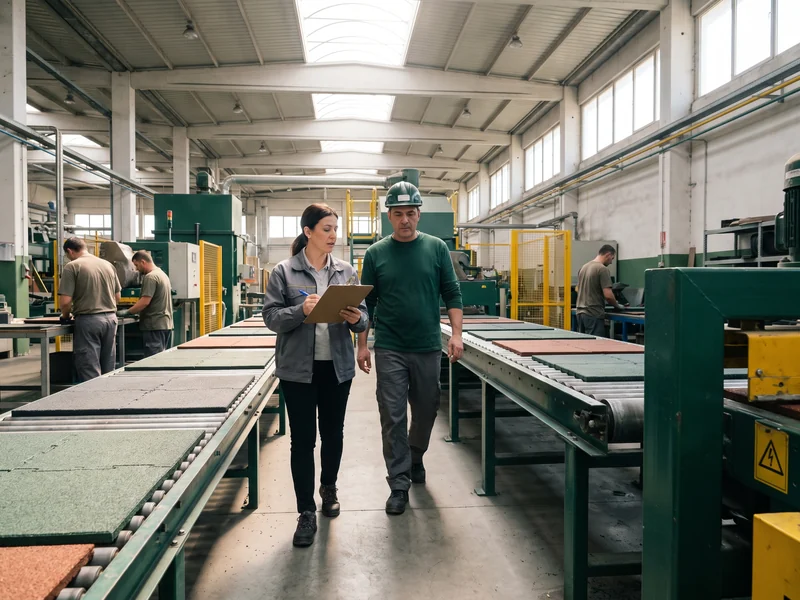
Our team audits the factory on site.
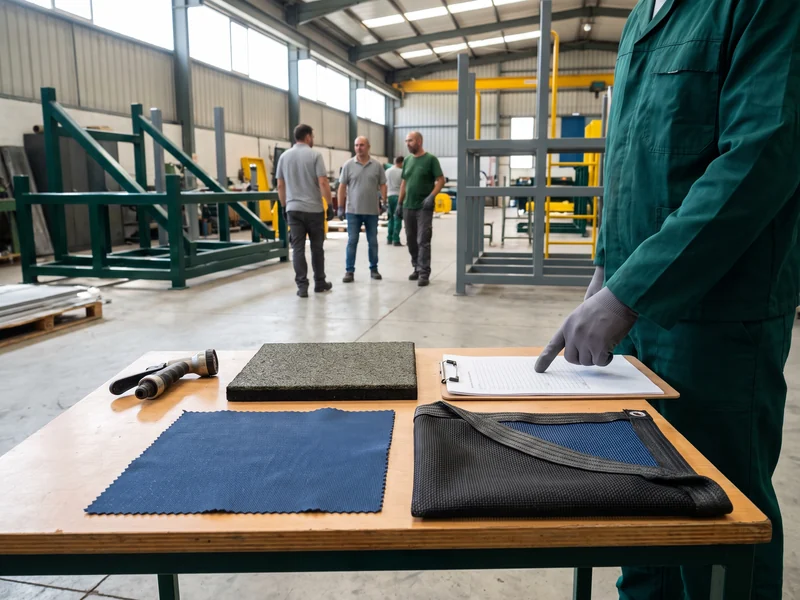
Samples of every item it will supply are approved.
Until both steps pass, a factory supplies no parts for any project.
Every partner-built item sits on all three, and your project manager handles the partner factory — you never coordinate a second supplier.
Each partner-built item on your project is checked by our inspectors against your drawing and spec before it goes into the container. The partner factory's own check never replaces ours.
It is held, then remade or replaced before loading. A failed partner item is never shipped for correction on site.
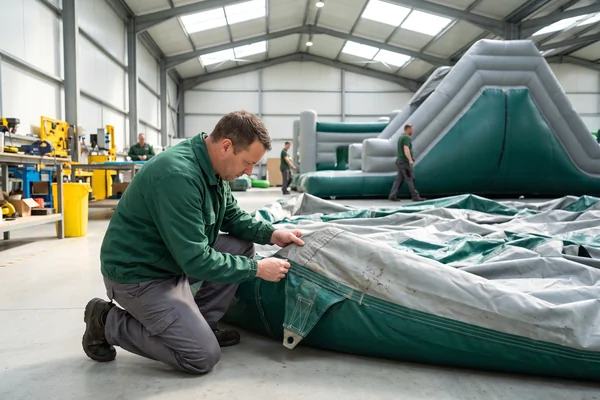
18 oz (0.55 mm) PVC · quadruple-stitched seams · reinforced anchor points
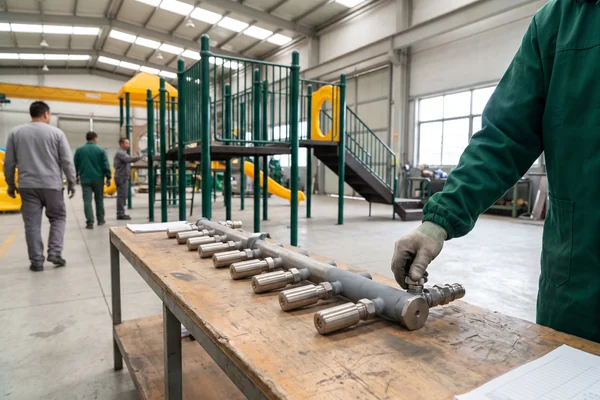
304 stainless and fiberglass · nozzles on stainless manifolds
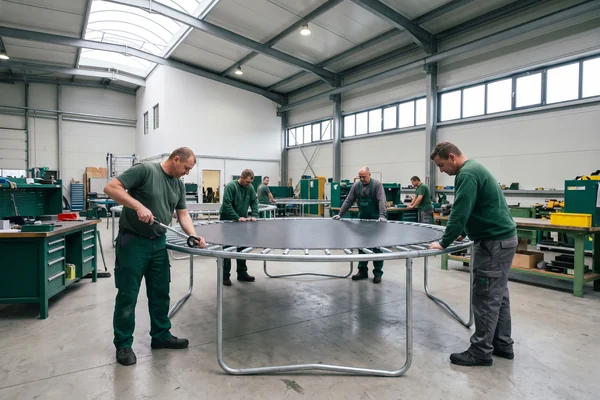
Polypropylene beds · galvanized springs · matched to our court frames
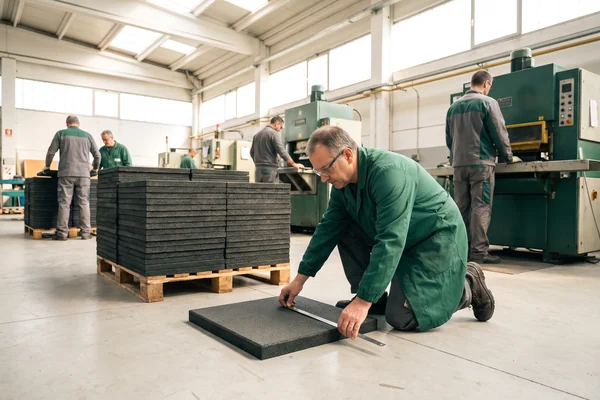
Rubber tiles or poured-in-place EPDM · thickness set by the critical fall height above
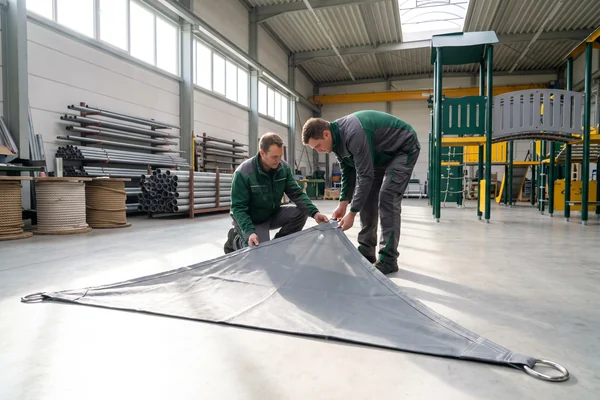
Matched to the shade structure on your drawing
Listed on your part list and packing list, loaded to the same container plan, and visible in the loading photos taken before sealing.
Every shipped project leaves a file behind. That file, together with the molds we own, is what makes the same part again years after installation.
Every part is numbered in the {structure}-{part} format, such as S1-014, and the packing list and QC readings are keyed to those numbers.
Request steps and warranty terms are on the home page. For dealers, the file stays under your registered project, so a request years later still comes through you.
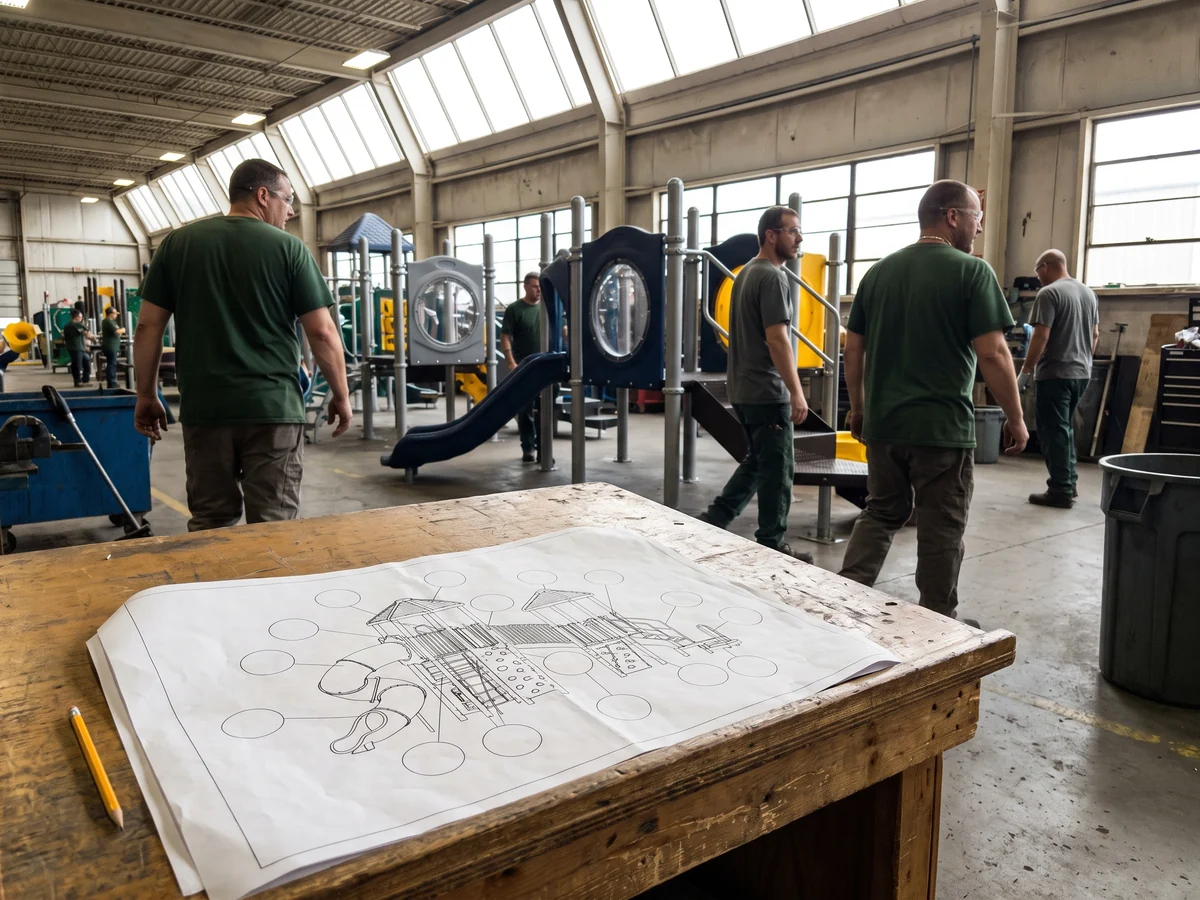
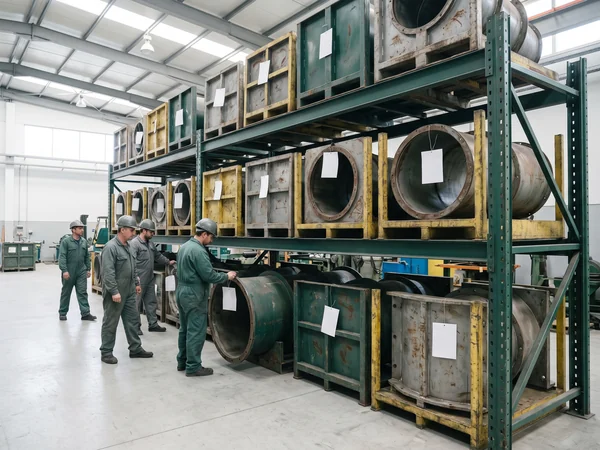
Visits are scheduled while your own project is in production, so the parts you see are yours, checked against your drawing. Buyers who cannot travel get a live video walk through the workshops with their parts on camera.
Book through Anna, our Sales Manager, on WhatsApp or with the form below: tell her the project and when you would like to come.
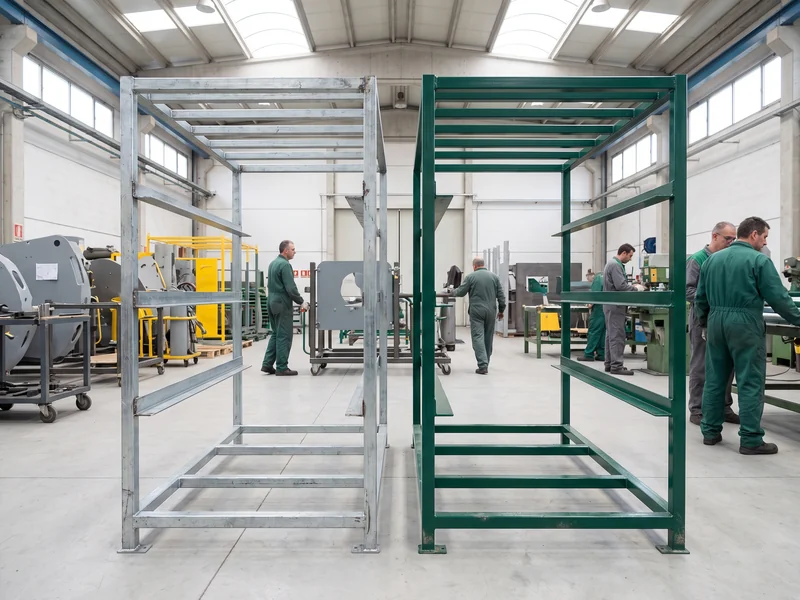
In steel fabrication, before and after coating.
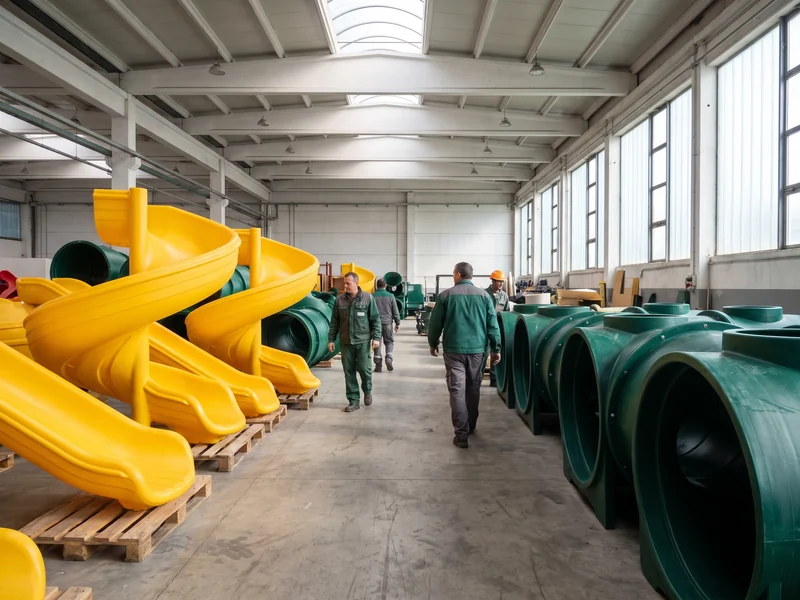
In the rotomolding workshop, fresh from the mold.
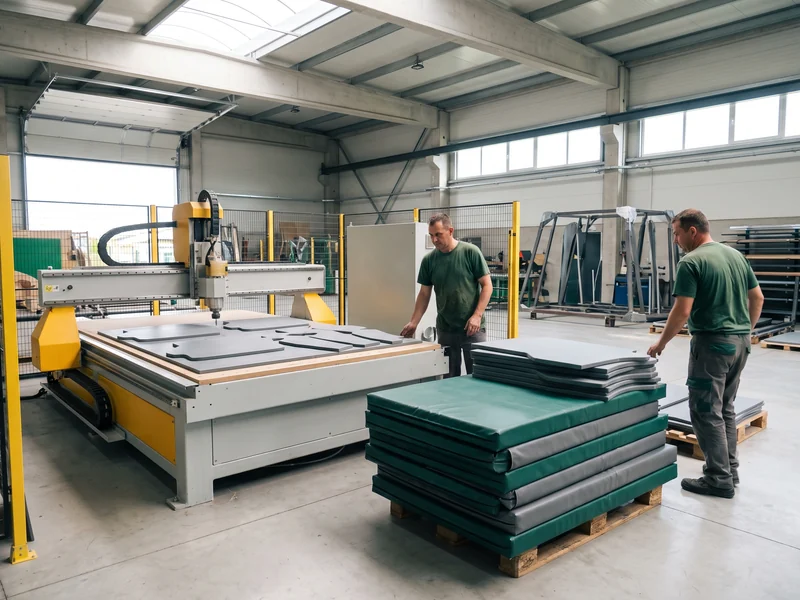
On the CNC routers and in the sewing workshop.
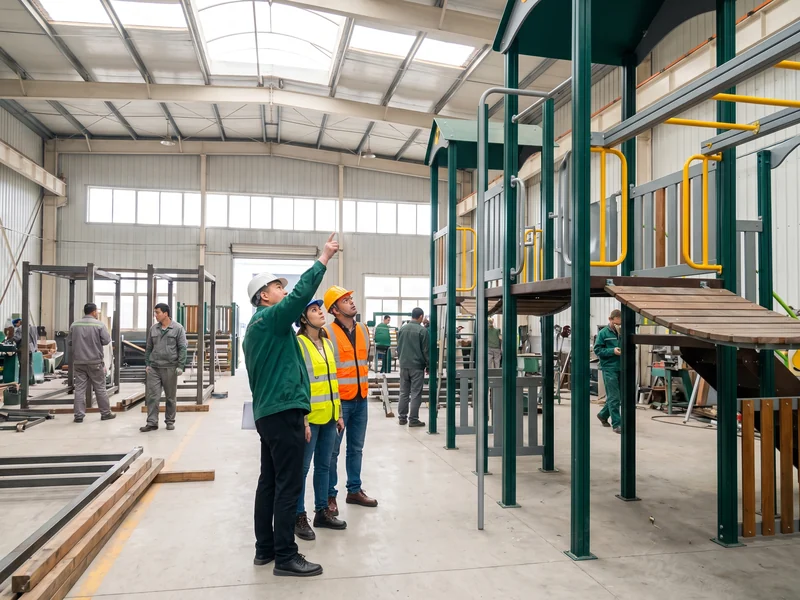
In the pre-assembly yard, if the visit falls on pre-assembly.
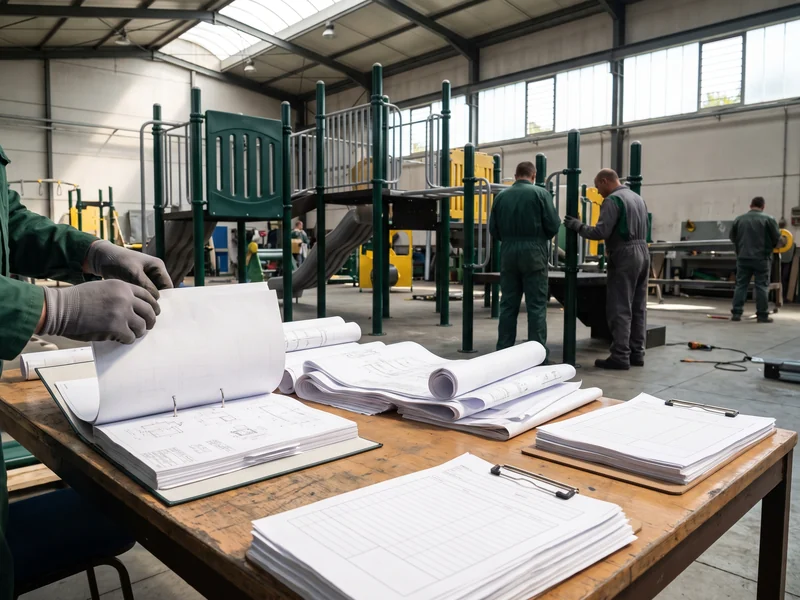
The readings and documents for your project, on the table.
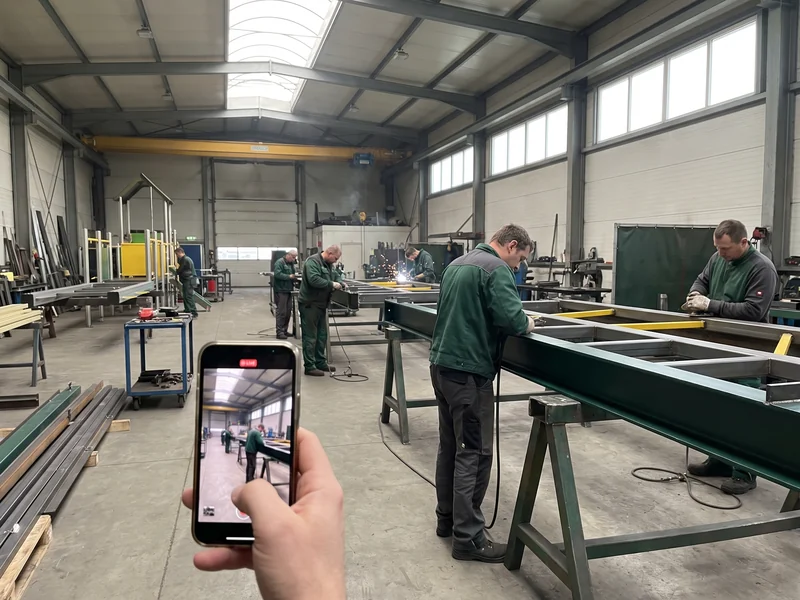
On request, for buyers who cannot travel.
Send your project details and pick what you need. Upload a site plan in the form, or message Anna on WhatsApp.