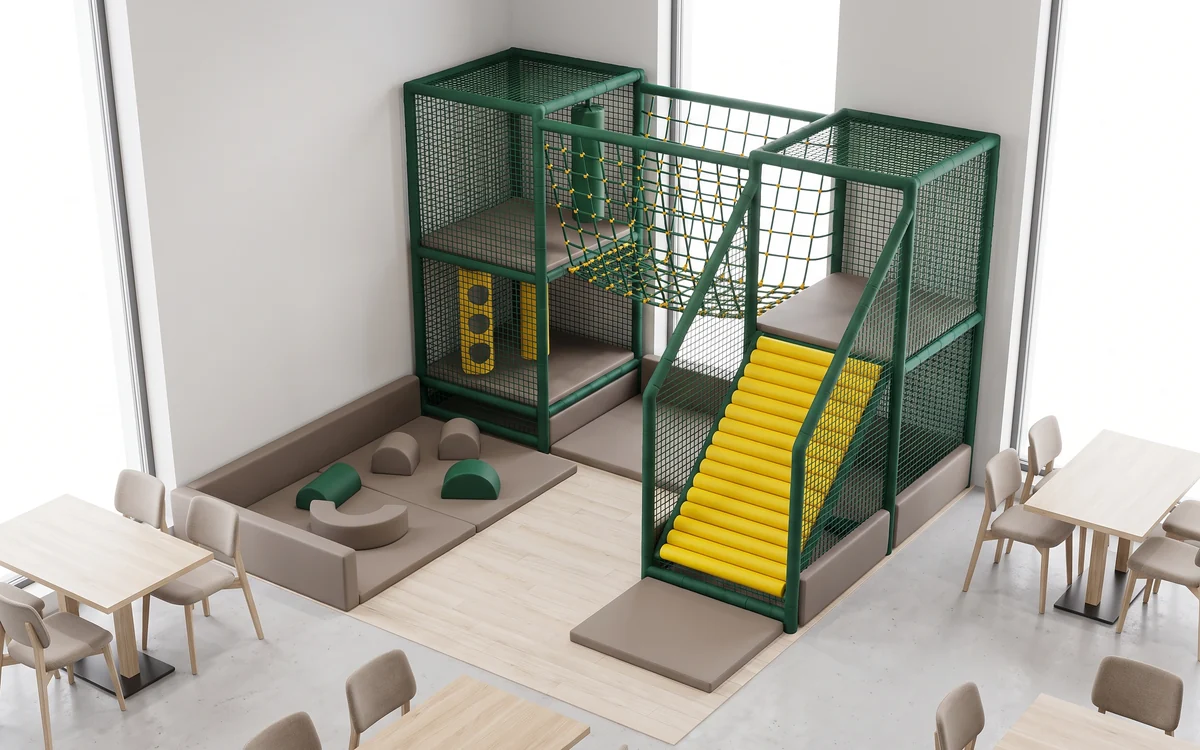
Restaurant corner
A compact soft play structure with a toddler zone beside it, placed next to the dining area and themed in the restaurant's colors.
Typical elementsHome › Indoor Play › Soft Play Equipment
RP-02 · Indoor soft play · In-house
Commercial soft play drawn to your floor for FEC venues, malls, restaurants, hotels and daycare. Every slide, net, climber and game panel is listed with its material and the workshop or partner that makes it.
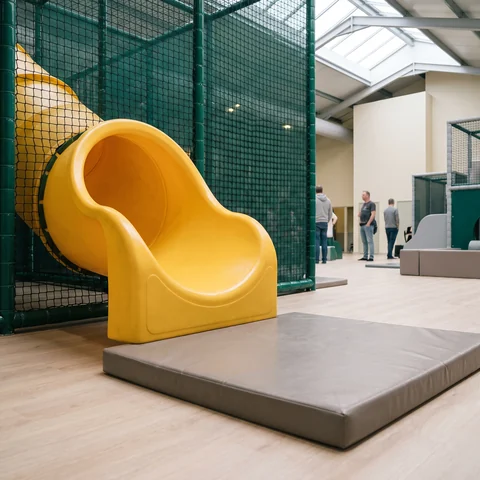 SP-01 Tube slide
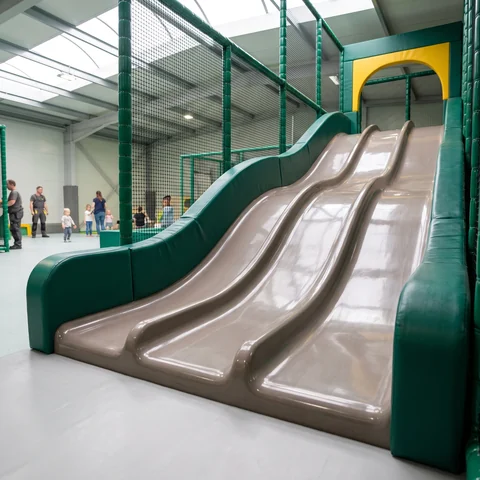 SP-04 Wave slide
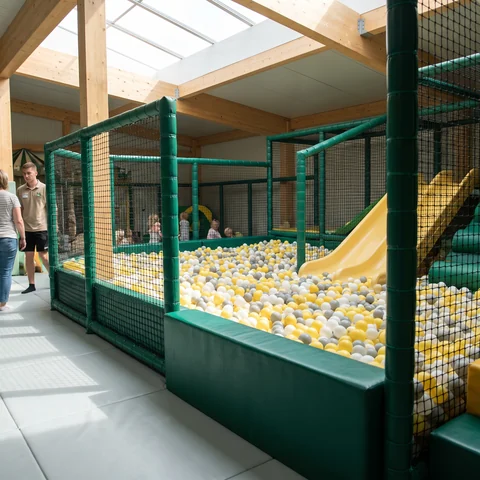 SP-13 Ball pit
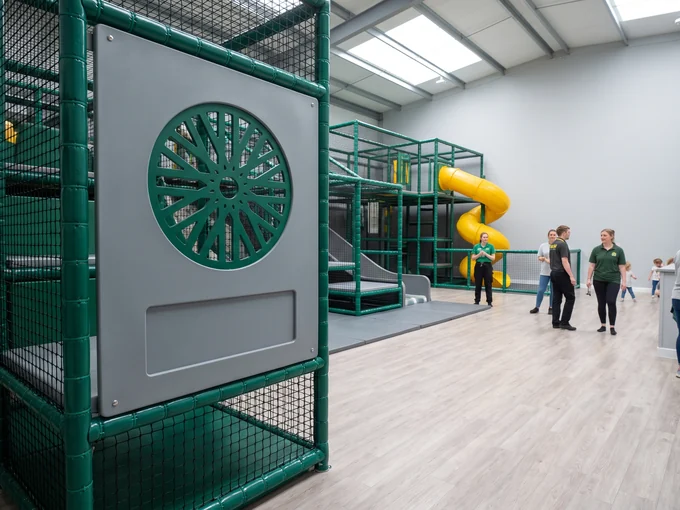
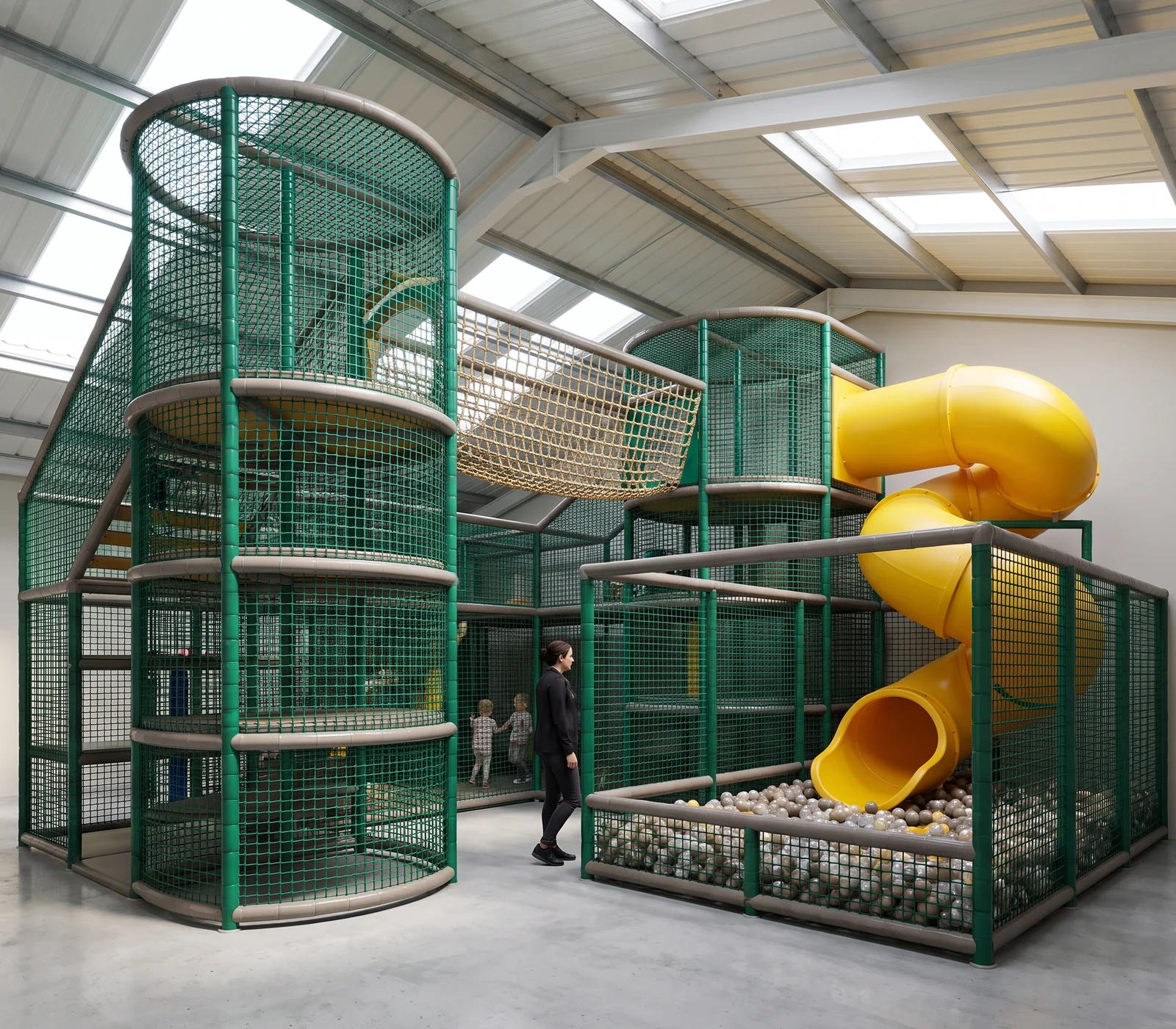 Multi-level structure · Ø48 mm galvanized frame
Every element of soft play for sale here can go into a multi-level structure, a toddler zone or a ball pit area on one drawing. Solid tags mark our own workshops; dashed tags mark partner factories, inspected by our QC before loading. Your quotation's spec sheet carries the same three columns.
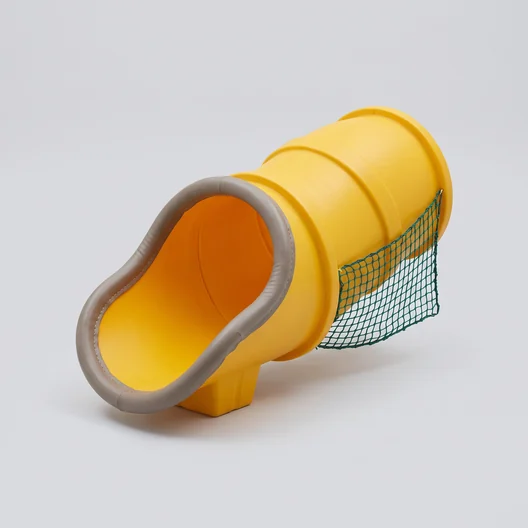 SP-01
SP-01MaterialRotomolded , 8 mm nominal wall
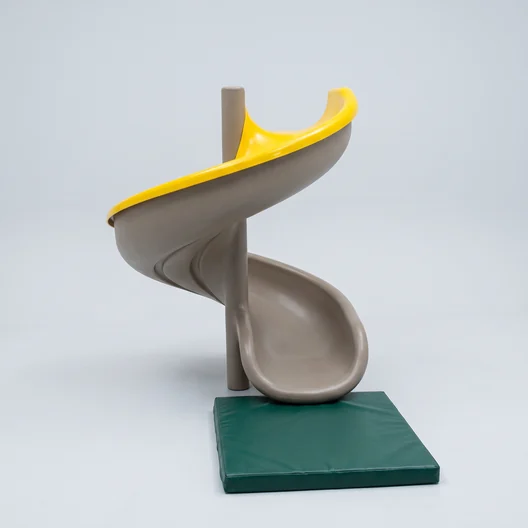 SP-02
SP-02MaterialRotomolded LLDPE, 8 mm nominal wall
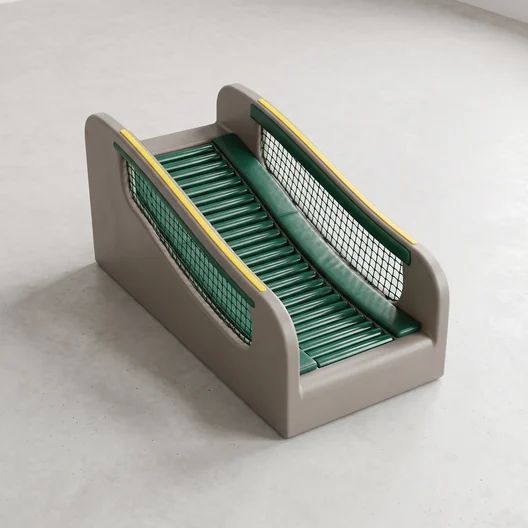 SP-03
SP-03MaterialRotomolded LLDPE body with rollers
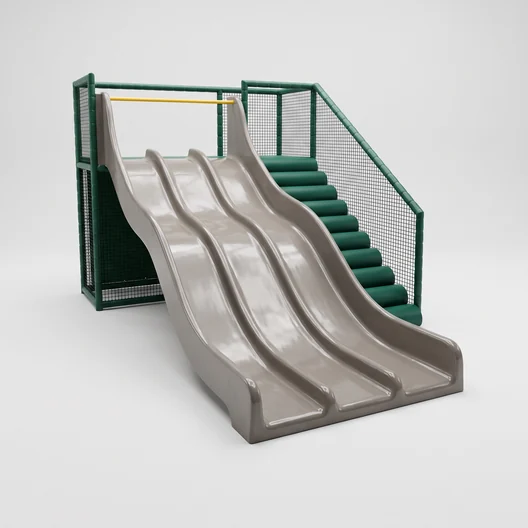 SP-04
SP-04Material
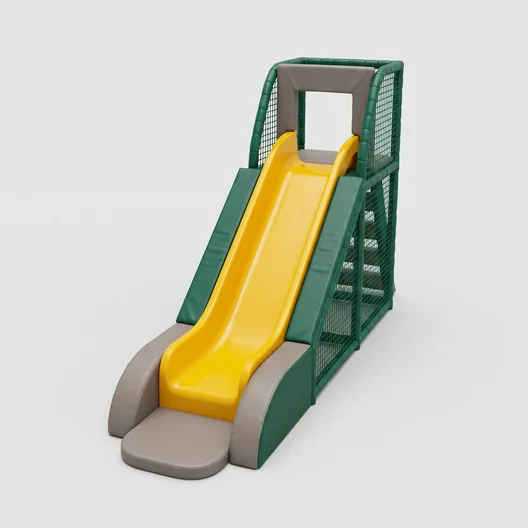 SP-05
SP-05MaterialFiberglass
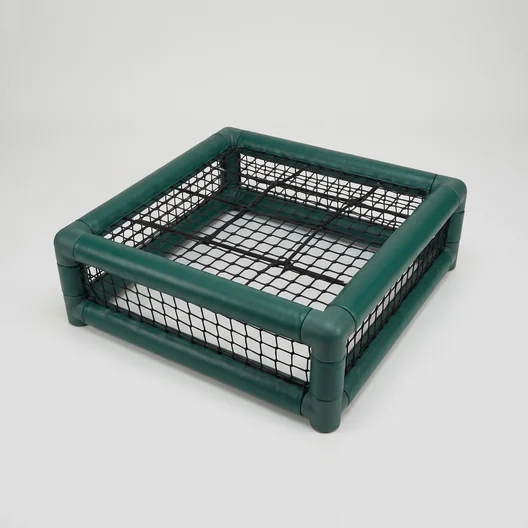 SP-06
SP-06Material fire-retardant netting on the steel frame
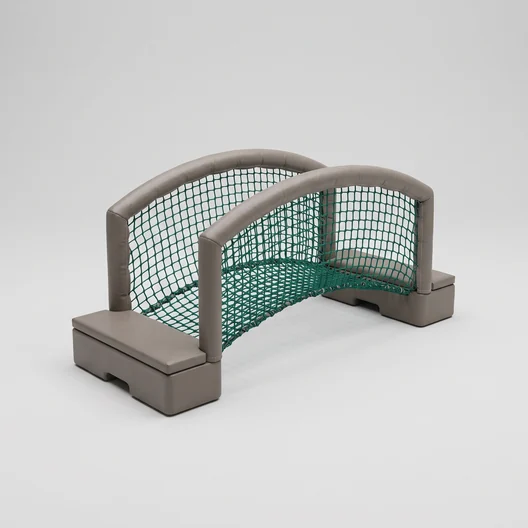 SP-07
SP-07MaterialKnotless fire-retardant netting on the steel frame
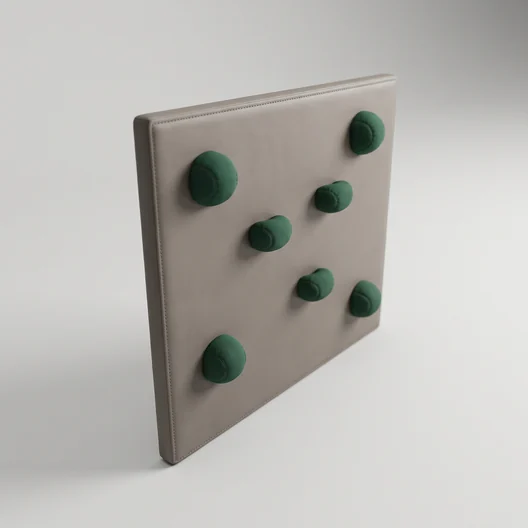 SP-08
SP-08MaterialPadded panel in fire-retardant
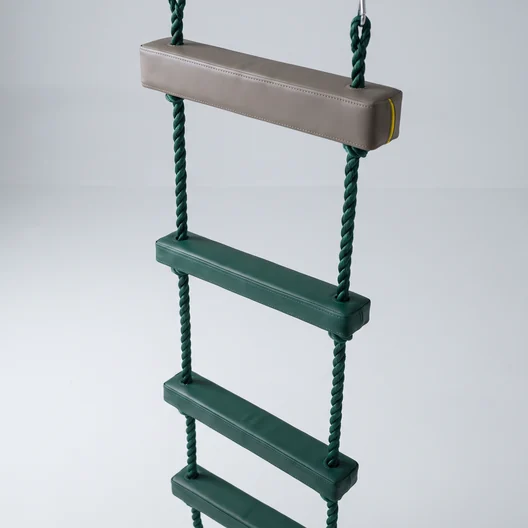 SP-09
SP-09MaterialPadded rope ladder fixed to the frame
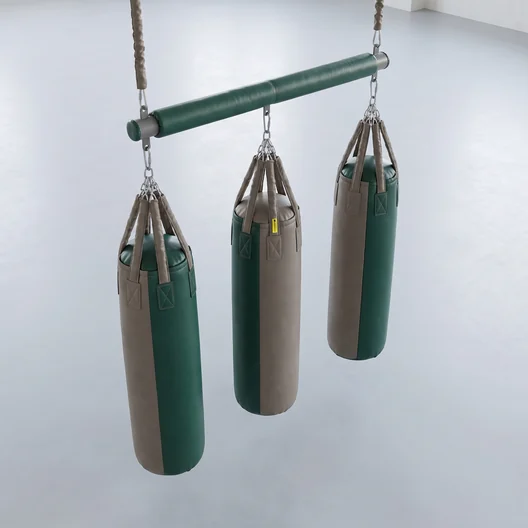 SP-10
SP-10MaterialHigh-density sponge in fire-retardant PVC leather
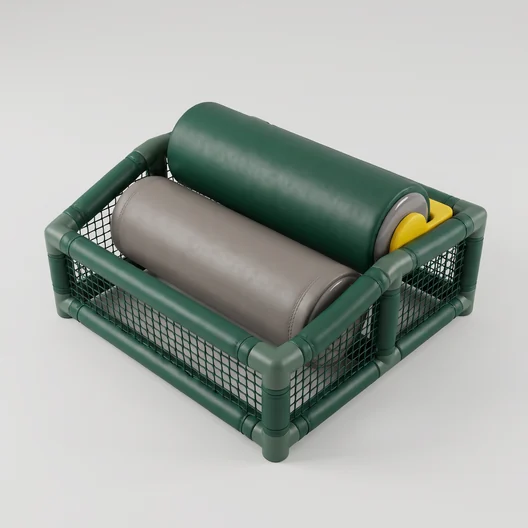 SP-11
SP-11MaterialHigh-density sponge in fire-retardant PVC leather
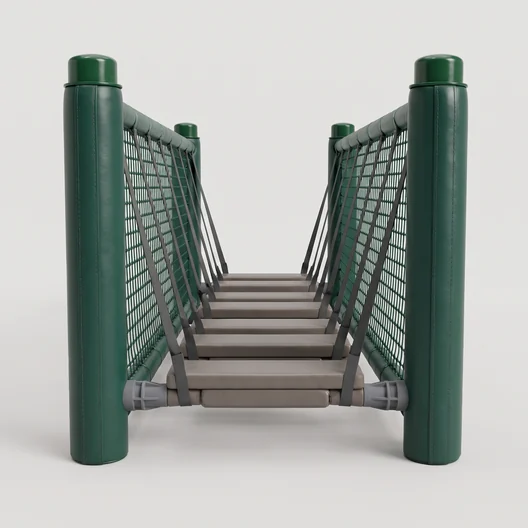 SP-12
SP-12MaterialPadded deck sections on the steel frame
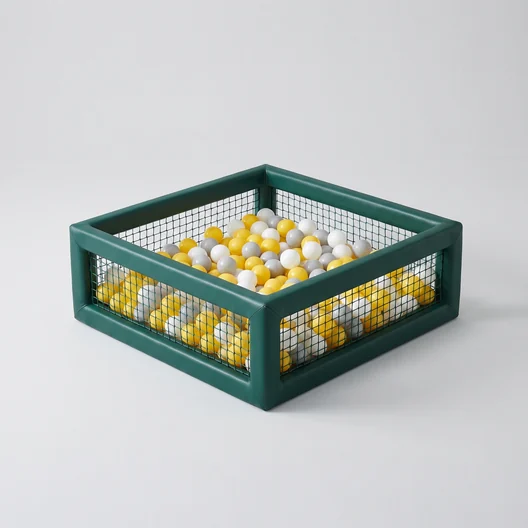 SP-13
SP-13MaterialPadded walls and floor in fire-retardant PVC leather, hollow PE balls
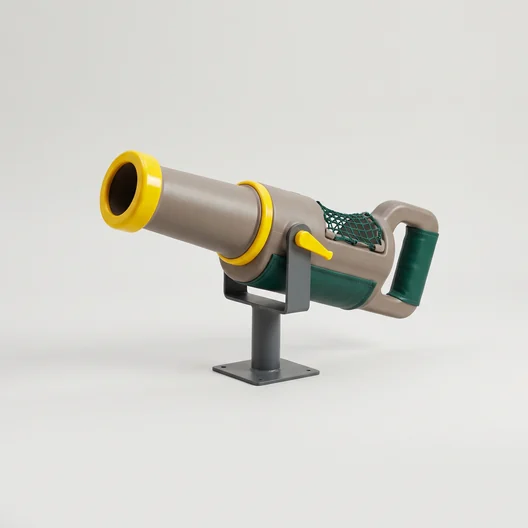 SP-14
SP-14MaterialBlasters with their compressors
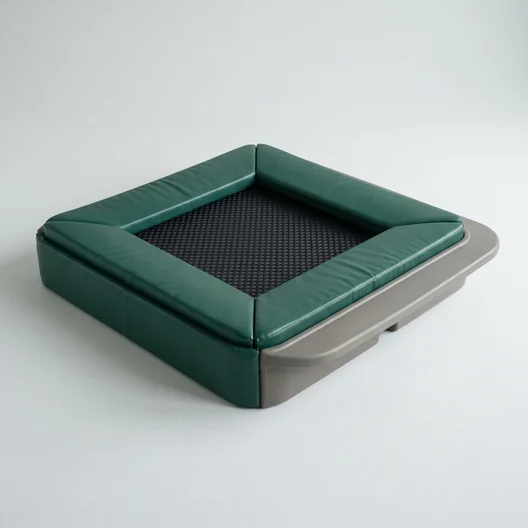 SP-15
SP-15MaterialPolypropylene jump bed and galvanized springs, set into a structure level
 SP-16
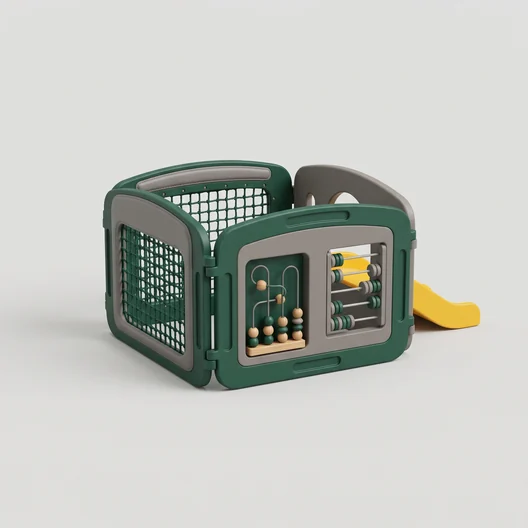
SP-16MaterialSpinners, mazes and abacus panels, CNC-cut
 SP-17
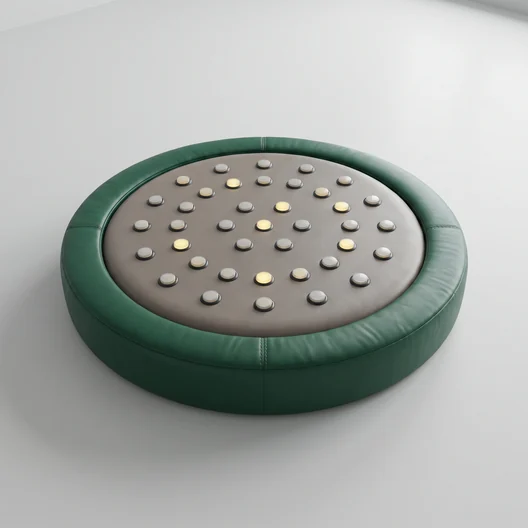
SP-17MaterialElectronic game units
 SP-18
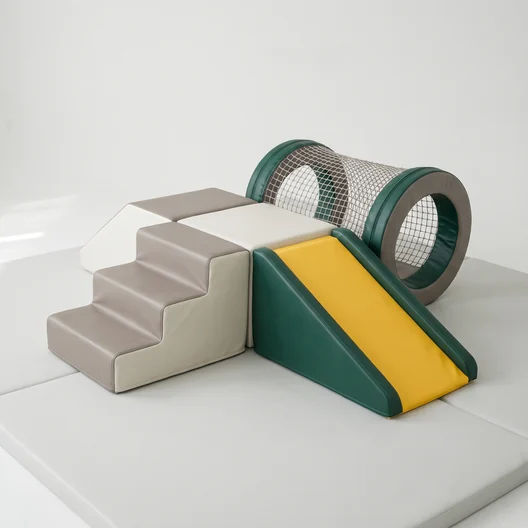
SP-18MaterialHigh-density sponge in fire-retardant PVC leather
 SP-19
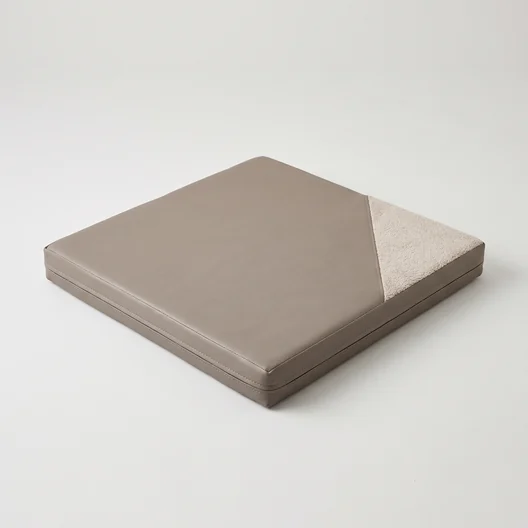
SP-19MaterialDeck boards in , covered in PVC leather or carpet
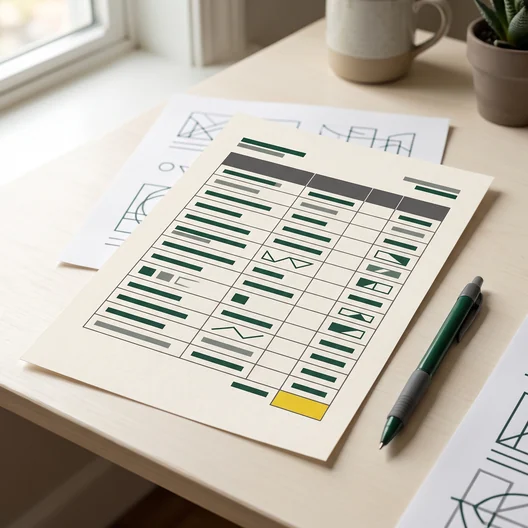 Spec sheet
Each element you order appears on your quotation with its material, its maker and its age zone.
Request yoursA multi-level structure is one Ø48 mm galvanized steel frame carrying several decks. Your clear ceiling height sets how many levels it carries; how that height, your columns and your exits shape the whole floor is covered on indoor playground equipment.
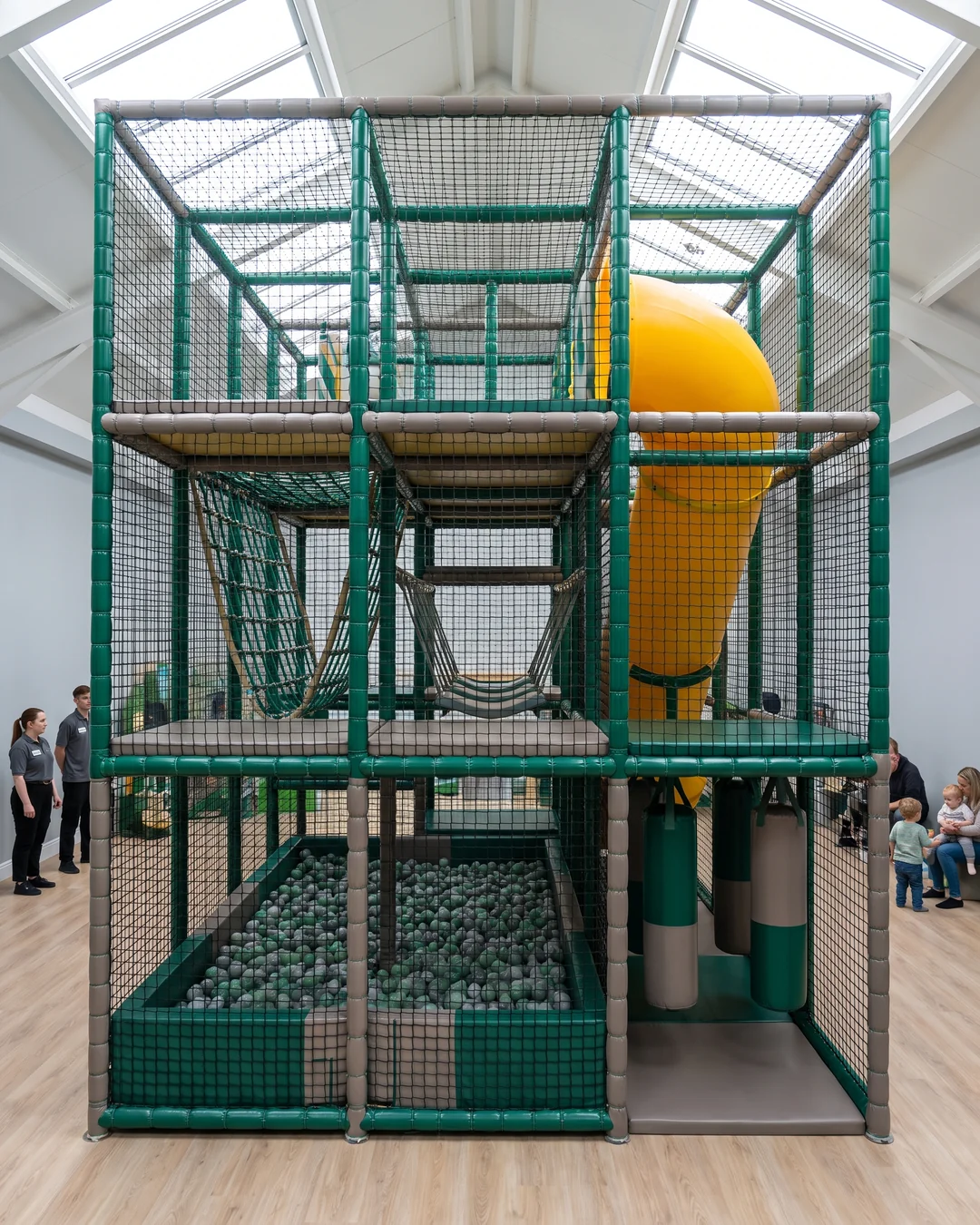
Tube and spiral slides start from the highest deck. Drop slides start from a deck with a straight run to the ground, and wide wave slides run from a middle or top deck down to a landing on the ground level.
The middle levels carry the routes across: net bridges, wobble bridges, spider nets and built-in mini trampolines, on decks wrapped in EVA foam and enclosed by knotless fire-retardant netting.
The ground level carries what children reach first: the ball pit, punch bags and rollers, manual game panels and the landing zone of every slide. Ball blasters and air cannons aim into the pit or across an open part of the structure.
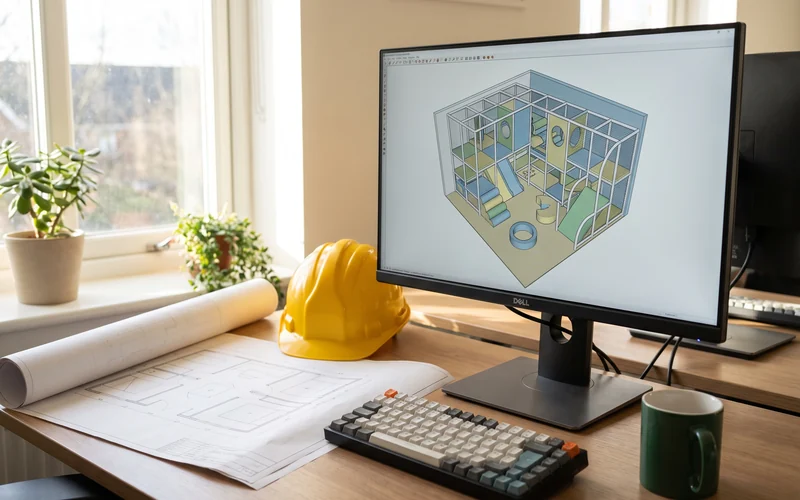
Children climb up by the soft climbing wall, the rope ladder, the spider net and padded climbers, and come down by the slides. The design office draws climbing routes and slides as one loop, so going up and coming down never share a route. You see the loop on your 3D renders before you approve.
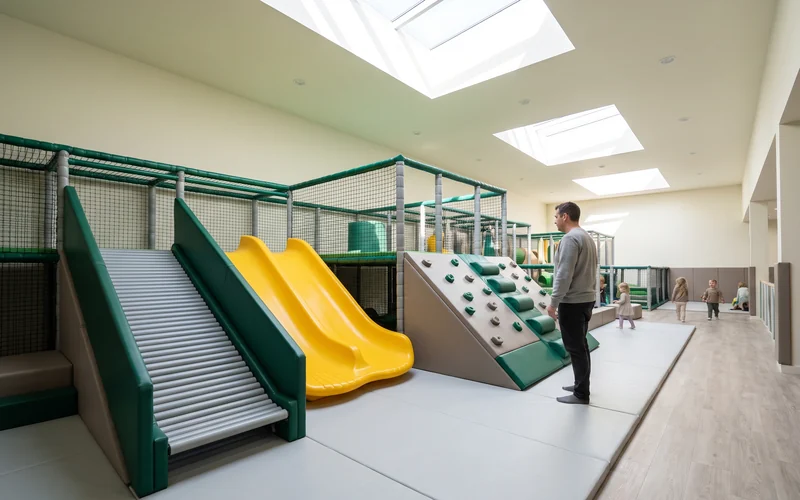
The 2–5 group gets the lower decks, net bridges, soft climbing walls, roller slides and wide wave slides. The 5–12 group gets the upper levels, spiral and drop slides, spider nets and rope ladders. Toddlers from 6–23 months get a zone of their own outside the structure.
Each level is drawn to ASTM F1918 for soft contained play, or to EN 1176 for European, UK and Australian projects, with protective barriers above set platform heights and a use zone marked at every slide exit.
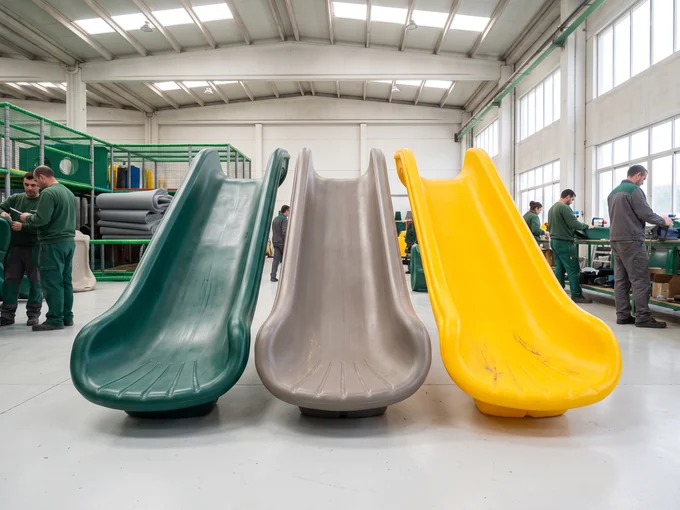
A soft play structure uses five slide types. Three are rotomolded in our own workshop and two come from a partner fiberglass factory, and your spec sheet names the maker of every slide on your drawing. Ask the same of any soft play equipment manufacturers you compare.
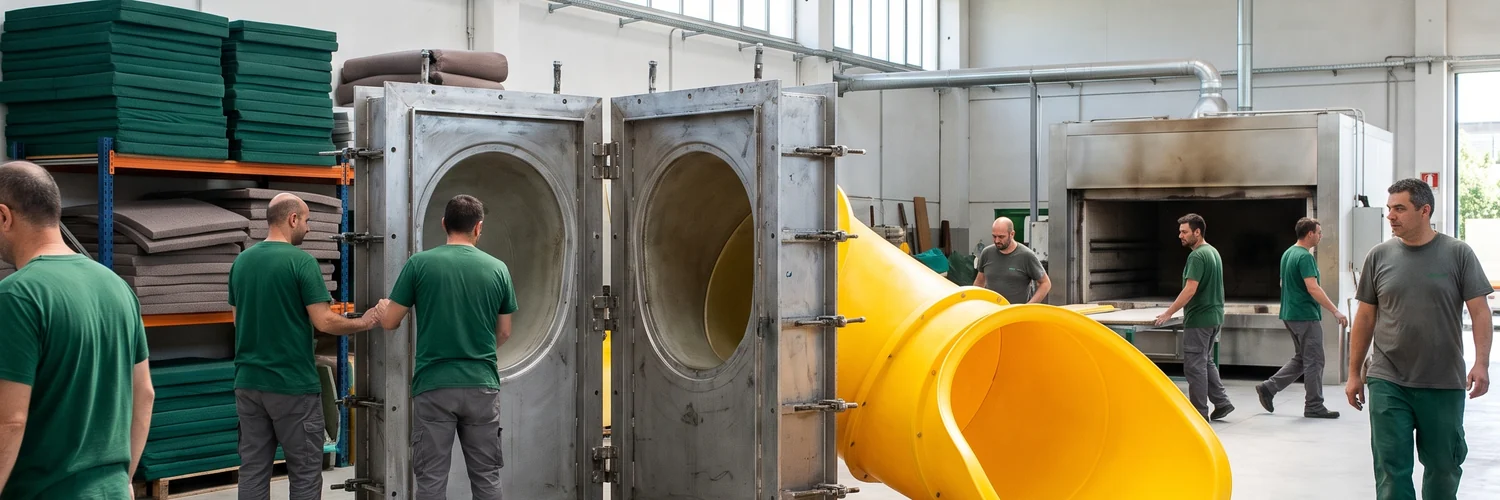
Tube, spiral and roller slides are molded from UV-stabilized LLDPE in steel molds we own, in the rotomolding workshop running since 2014. Colors come from the standard range, or a custom color on request.
A slide ordered for a later expansion comes out of the same steel mold as the first one, and fits the frame connections on your installation drawing, which stays on file with your part list.
| Slide | Material | Made by | How it is checked |
|---|---|---|---|
| SP-01Tube slide | UV-stabilized LLDPE · 8 mm nominal wall | In-house | Ultrasonic wall reading, every slide |
| SP-02Spiral slide | UV-stabilized LLDPE · 8 mm nominal wall | In-house | Ultrasonic wall reading, every slide |
| SP-03Roller slide | LLDPE body | In-house | Ultrasonic wall reading, every slide |
| SP-04Wide wave slide | Fiberglass | Partner-built | QC inspection against your drawing before loading |
| SP-05Drop slide | Fiberglass | Partner-built | QC inspection against your drawing before loading |
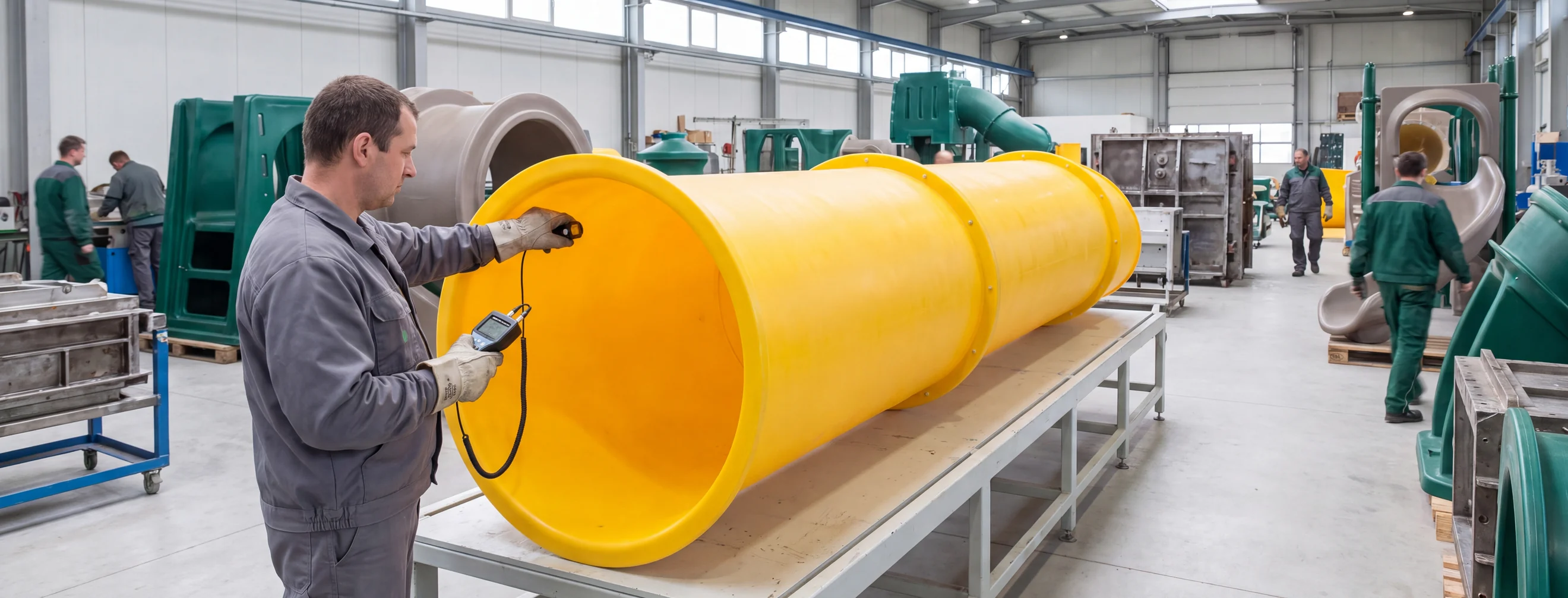
Every slide · no sampling · readings filed to your project
QC measures the wall of every tube, spiral and roller slide with an ultrasonic thickness gauge at set points along its length, against the 8 mm nominal wall. No sampling.
The slide goes on QC hold. Your project manager tells you within one business day, with photos and the fix, and the slide goes back into production only after the QC team checks it again.
The readings stay on your project file, and the readings for your own slides are sent on request. Or book a factory visit while your order is in production.
They come from a partner fiberglass factory approved after a factory audit and sample approval. QC inspects each one against your drawing and spec sheet before loading; a slide that fails is remade or replaced and still ships on your loading date.
Design office
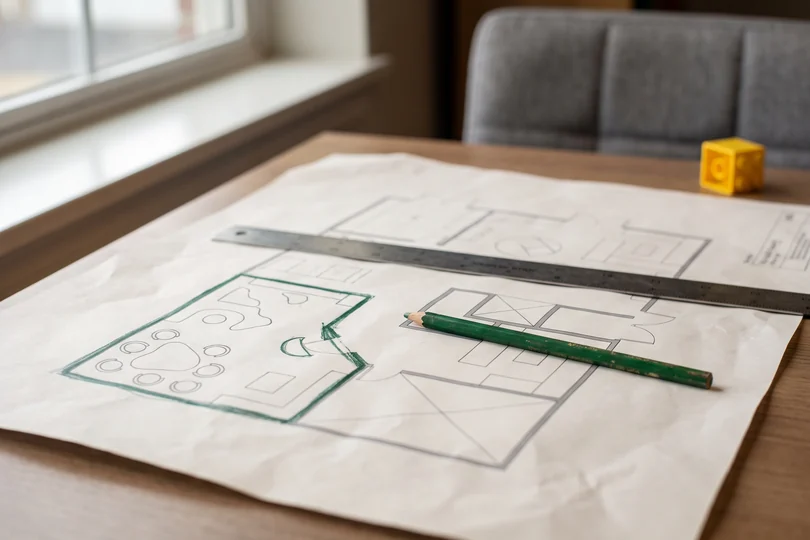
Send your floor plan, clear ceiling height and age groups. A 2D and 3D layout of your soft play area comes back in 3 working days.
A toddler zone is a soft play area of its own for children from 6 to 23 months, planned to ASTM F2373 and built in our soft play sewing workshop.
It can be ordered with a larger structure or on its own for a restaurant corner, a hotel kids' club or a daycare room.
ASTM F23736–23 months · own footprint · own ball pit
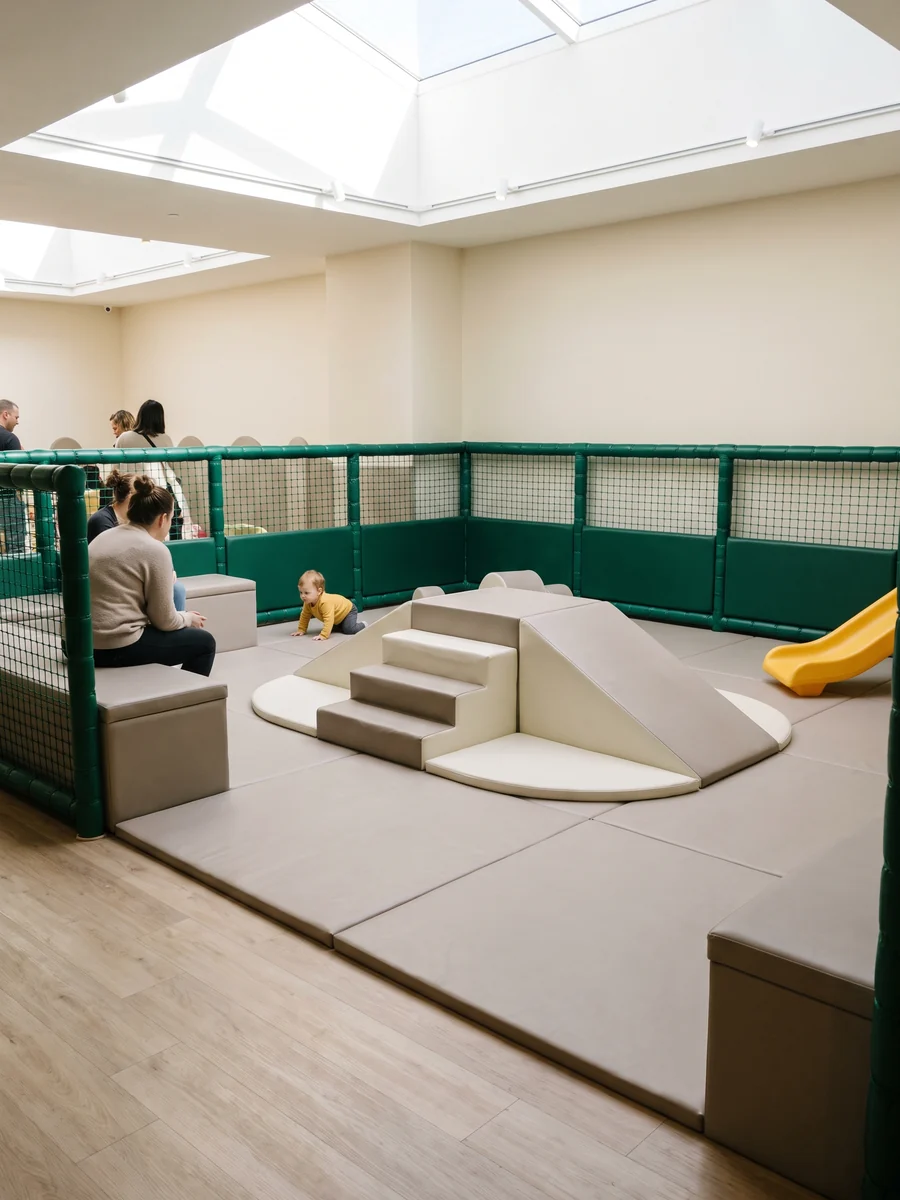
The zone gets its own footprint next to parent seating, drawn away from slide exits and from the 2–5 and 5–12 routes, so older children do not run through it. Its entrance is marked on your 2D plan.
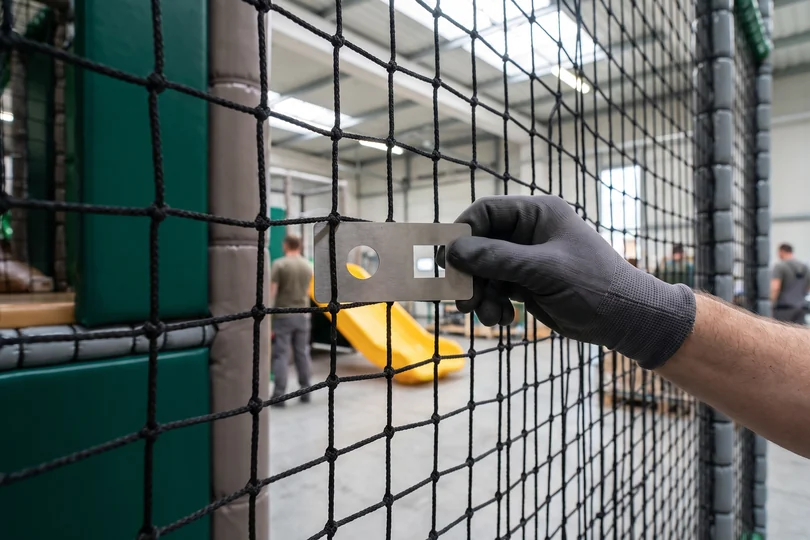
Every soft piece is checked against its drawing size, and every cover for seams, stitching and heat-sealed edges. The netting mesh opening is checked with a gauge, every opening for head and finger entrapment gaps. No clamp, fastener or edge is left exposed.
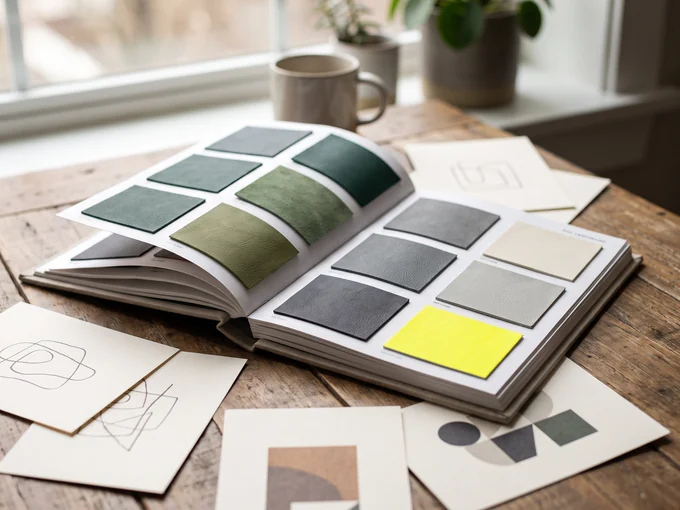
Pieces and mats follow the cover colors on your drawing.
A restaurant, hotel or daycare that needs only a toddler zone sends the room plan and ceiling height, and the design office starts from the restaurant-corner starter layout. For daycare and preschool rooms, see preschool and daycare playground equipment.
Toddler zone on its ownStart from the restaurant-corner layout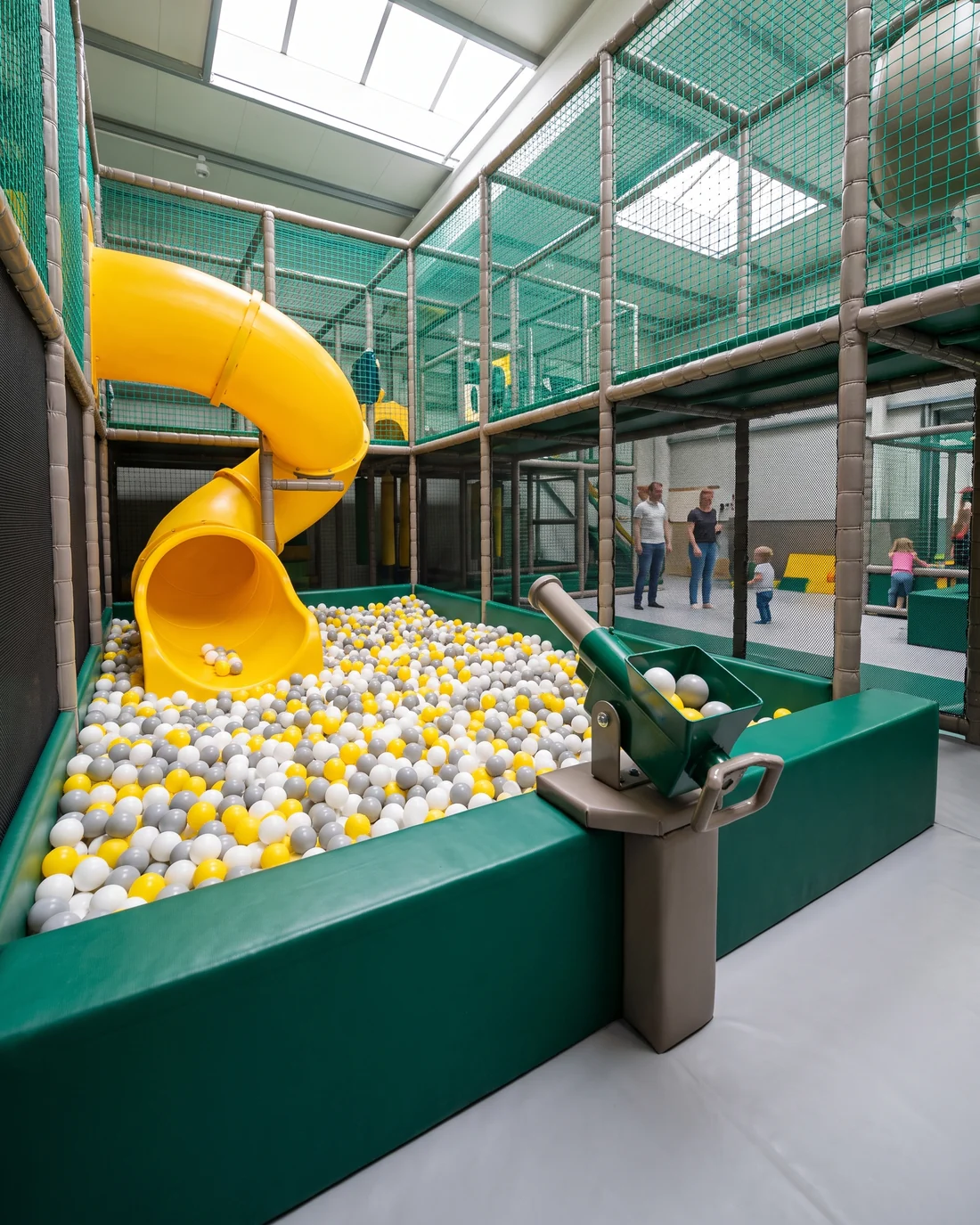 Pit A · older children · ground level
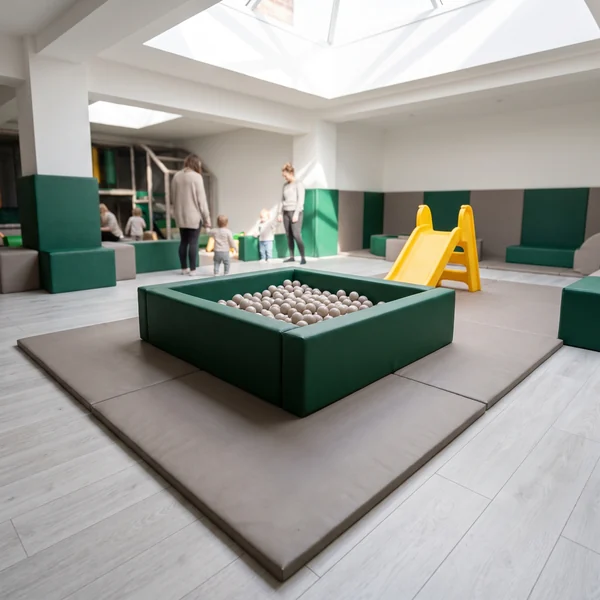 Pit B · toddler zone
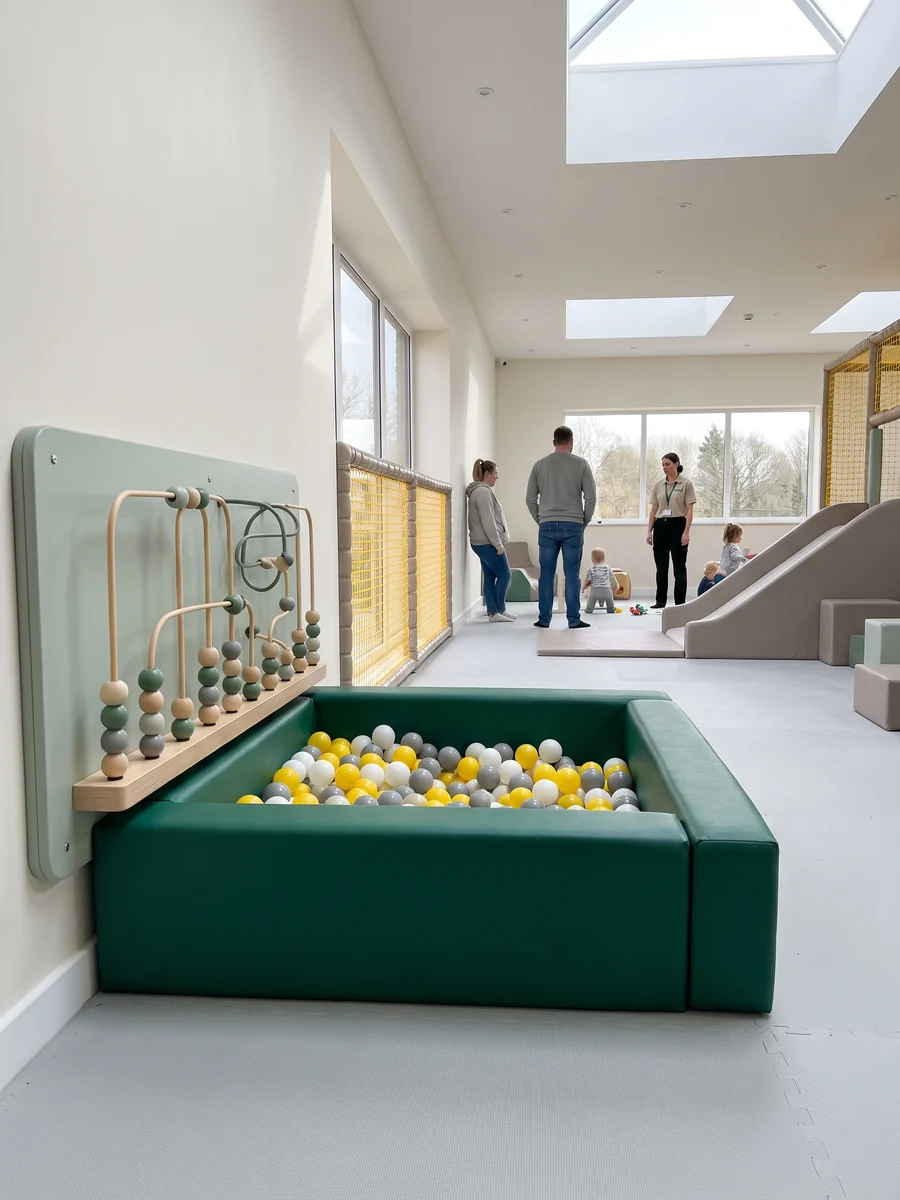
A ball pit can sit inside a multi-level structure, at the base of a slide or in a toddler zone. Toddler pits and older-child pits are always drawn as two separate pits.
| Part | How it is made | Maker |
|---|---|---|
| Walls | Padded and covered in the same fire-retardant PVC leather as the structure, cut and sewn in our sewing workshop | In-house |
| Floor | A padded pit floor, sewn in the same workshop | In-house |
| Frame | Inside a structure, the walls fix to the Ø48 mm galvanized frame, with EVA foam on every clamp | In-house |
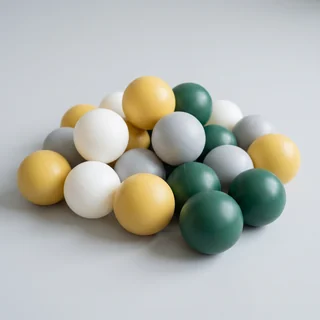
| Balls | Hollow PE balls in the colors you choose | Partner |
The toddler pit sits inside the 6–23 month zone next to parent seating. The older-child pit sits on the ground level of the structure, where slides land into it and ball blasters aim into it.
Pit walls follow the cover colors on your drawing; ball colors are chosen separately. The walls use the same PVC leather batches as the covers, under the same supplier documents.
These are the elements children use between the ground level and the slide starts. Each one is made in our own sewing or steel workshop and fixed to the same Ø48 mm galvanized steel frame.
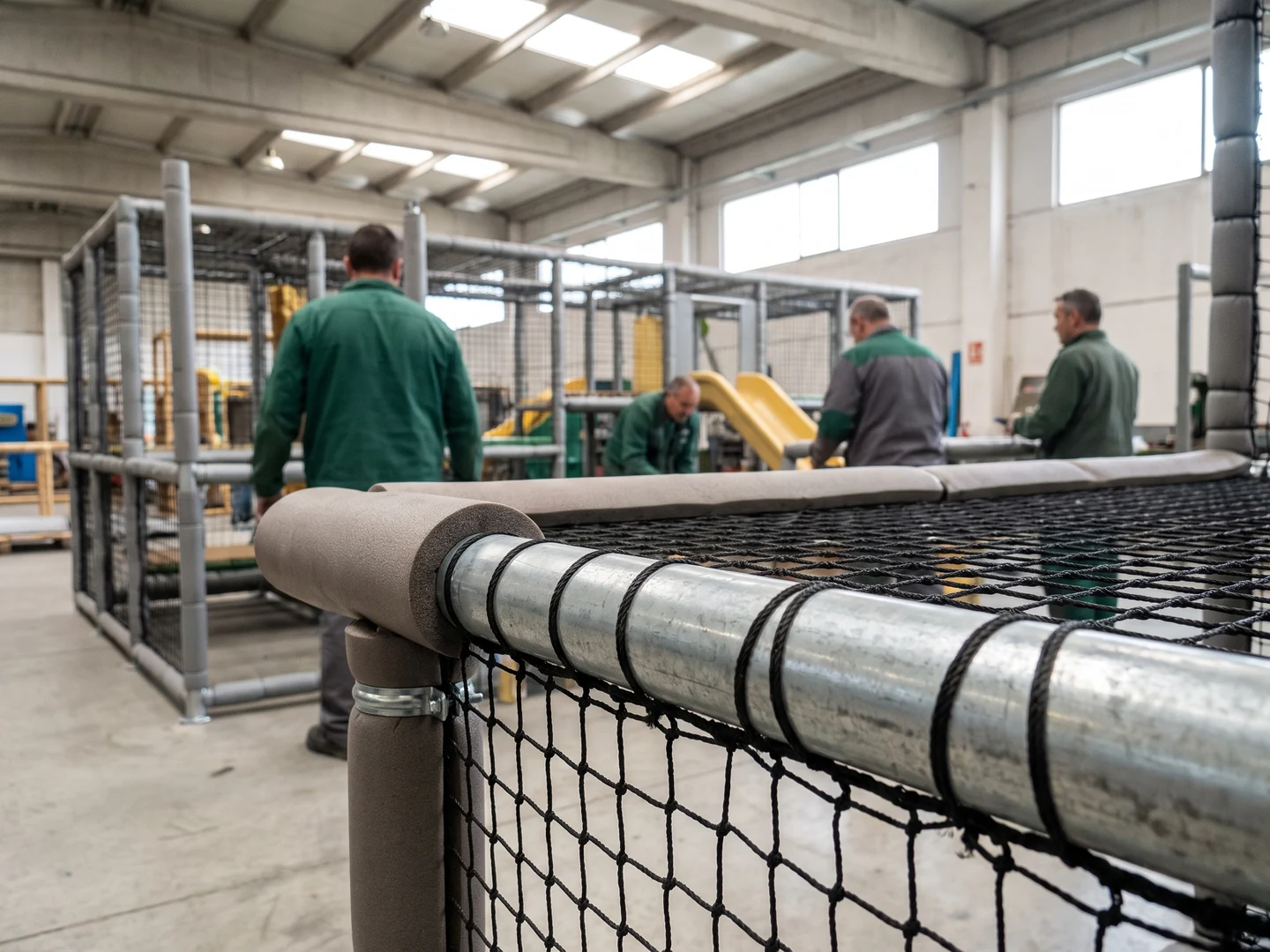 Ø48 mm galvanized pipe · netting lashed to the frame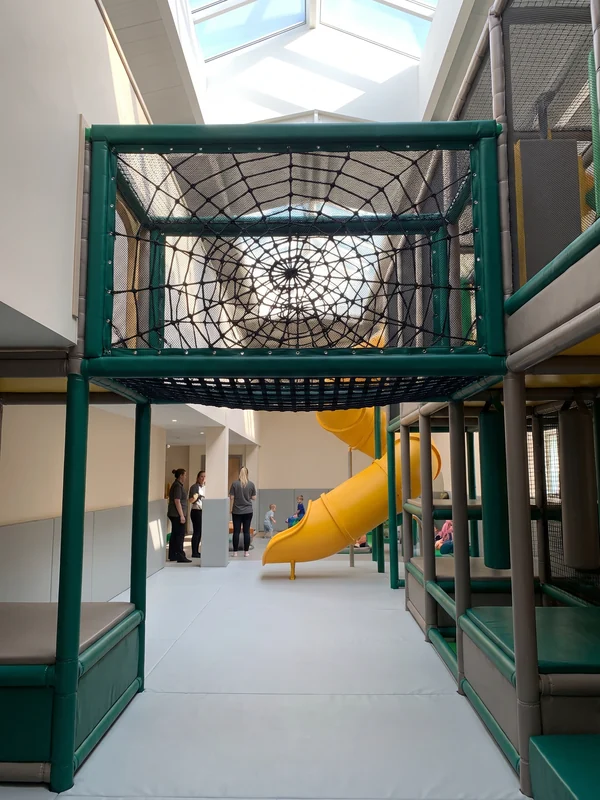
Knotless fire-retardant netting stretched across an open frame section and climbed level to level; mesh opening checked with a gauge.
In-house · sewing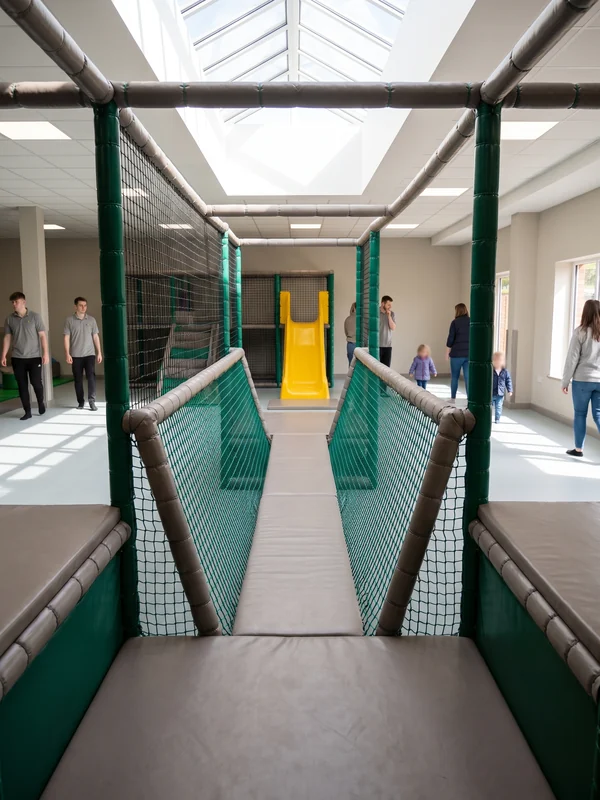
Netting spanning two decks, fixed along both sides of the frame and enclosed.
In-house · sewing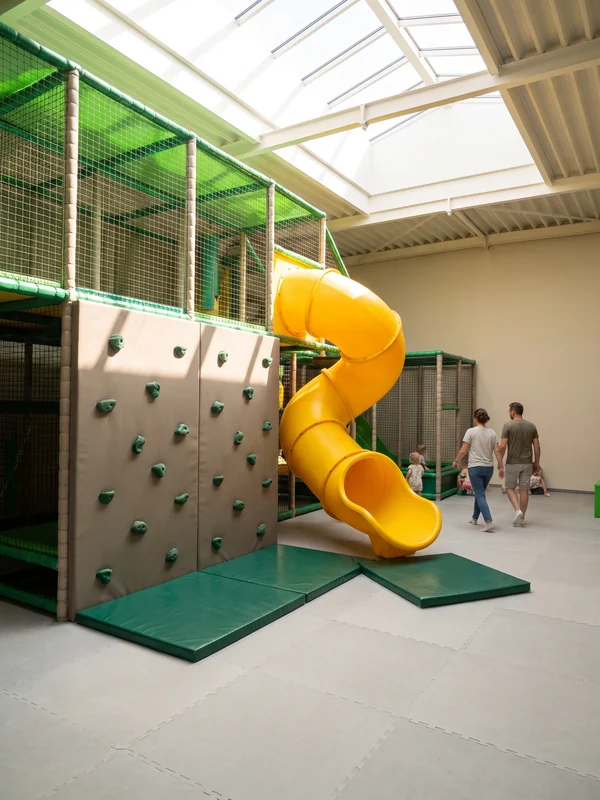
Padded panels in fire-retardant PVC leather, fixed to a frame section between two levels.
In-house · sewing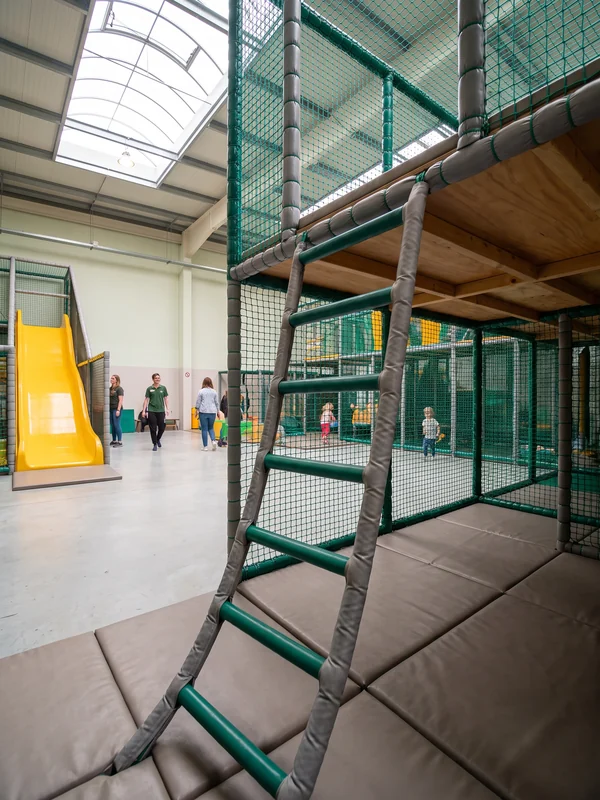
Padded rope ladders hung from a deck edge and fixed at the base.
In-house · sewing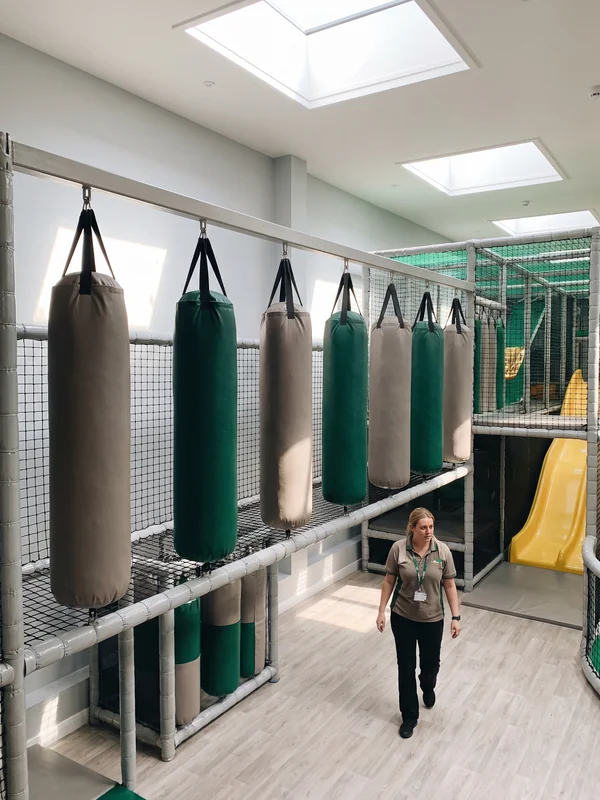
High-density sponge in PVC leather, hung from the frame so children push through them on a route.
In-house · sewing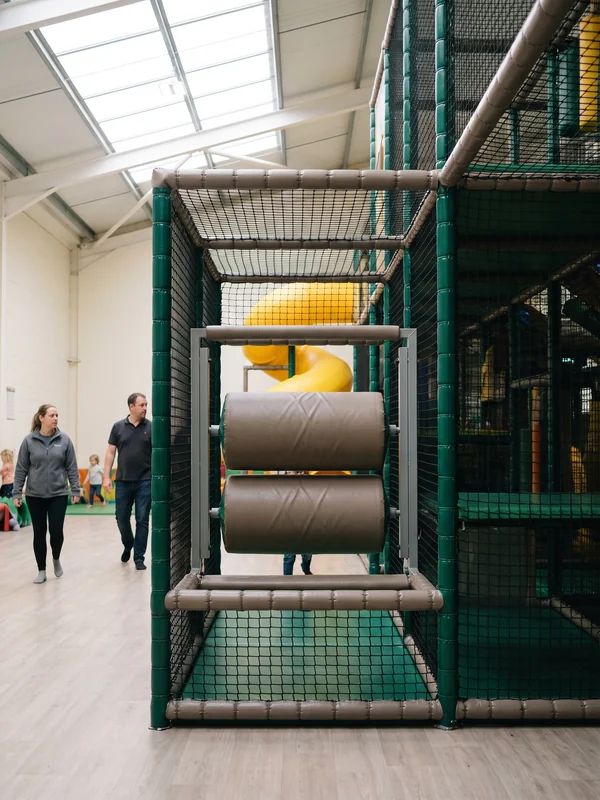
Padded rollers set in the frame, climbed over or squeezed between.
In-house · sewing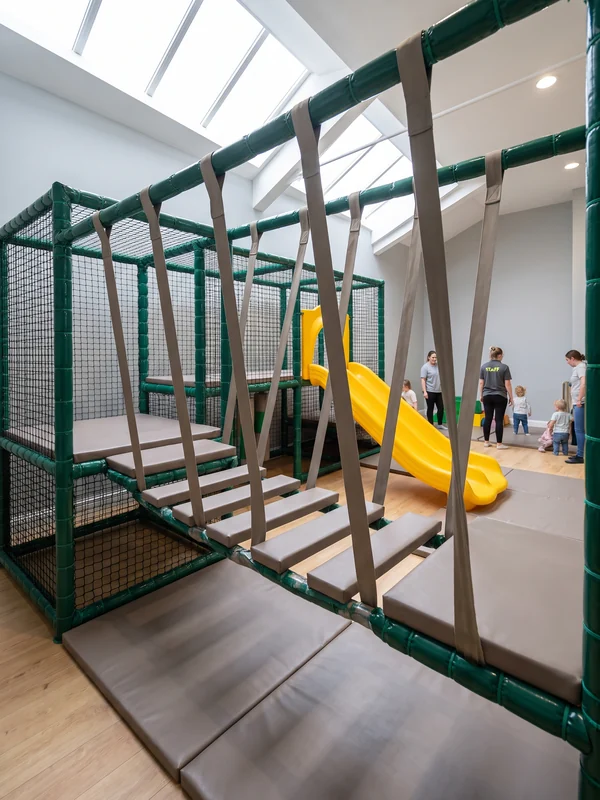
Padded deck sections on the frame that move under a child's weight.
In-house · steel + sewing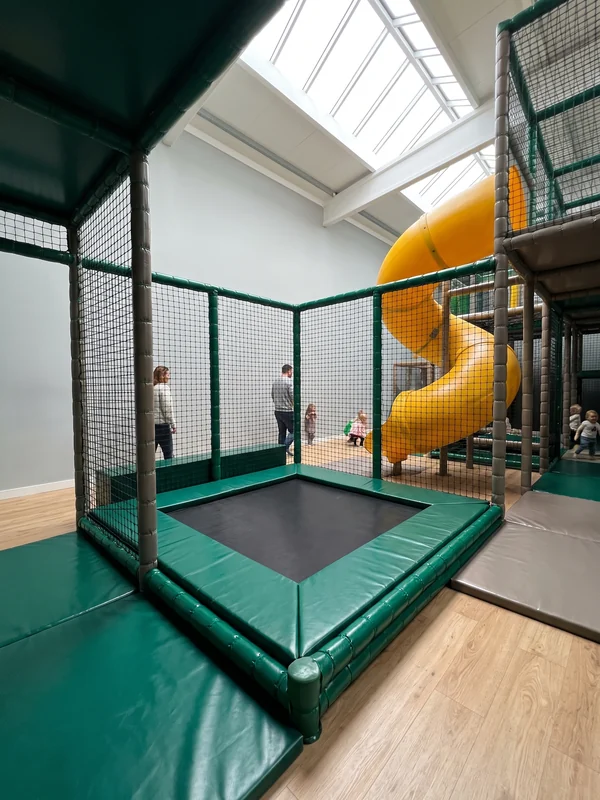
Set into a structure level. Frame and padding from our workshops; the jump bed and springs come from a partner and are inspected before loading.
Each element sits along the climbing and sliding loop, so every route mixes climbing, balancing and pushing through.
The frame is trial-assembled and every padding piece carries a part number keyed to its structure; that process is on indoor playground equipment.
Interactive elements give children something to operate as they move through the structure. The manual panels are made in our own workshop; the powered pieces come from partner factories that our QC team inspects.
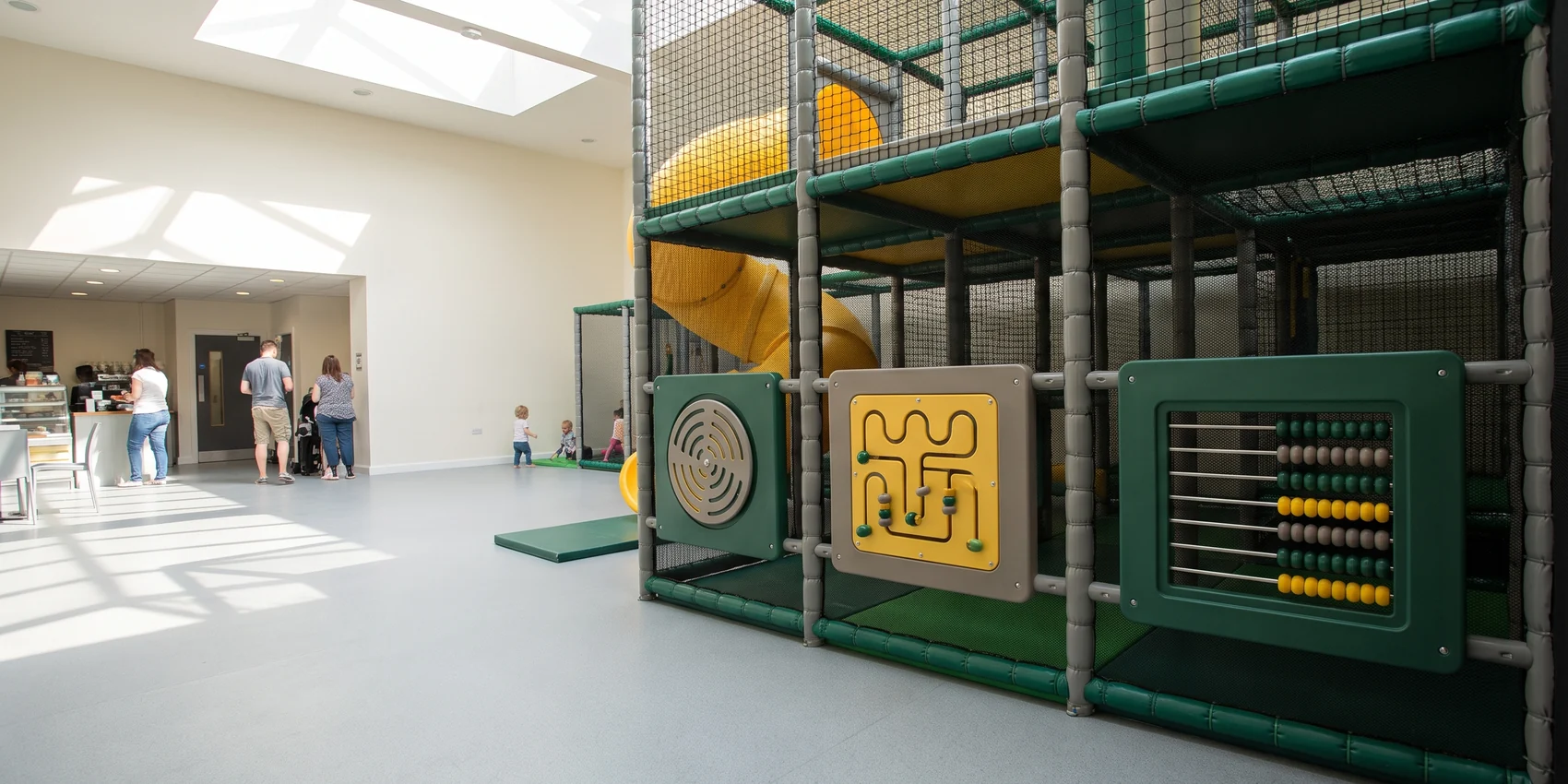
Spinners, mazes and abacus panels are CNC-cut from HDPE with rounded edges, in the colors on your drawing. They fix to the frame on the ground level, along routes on the middle levels and inside the toddler zone at toddler height.
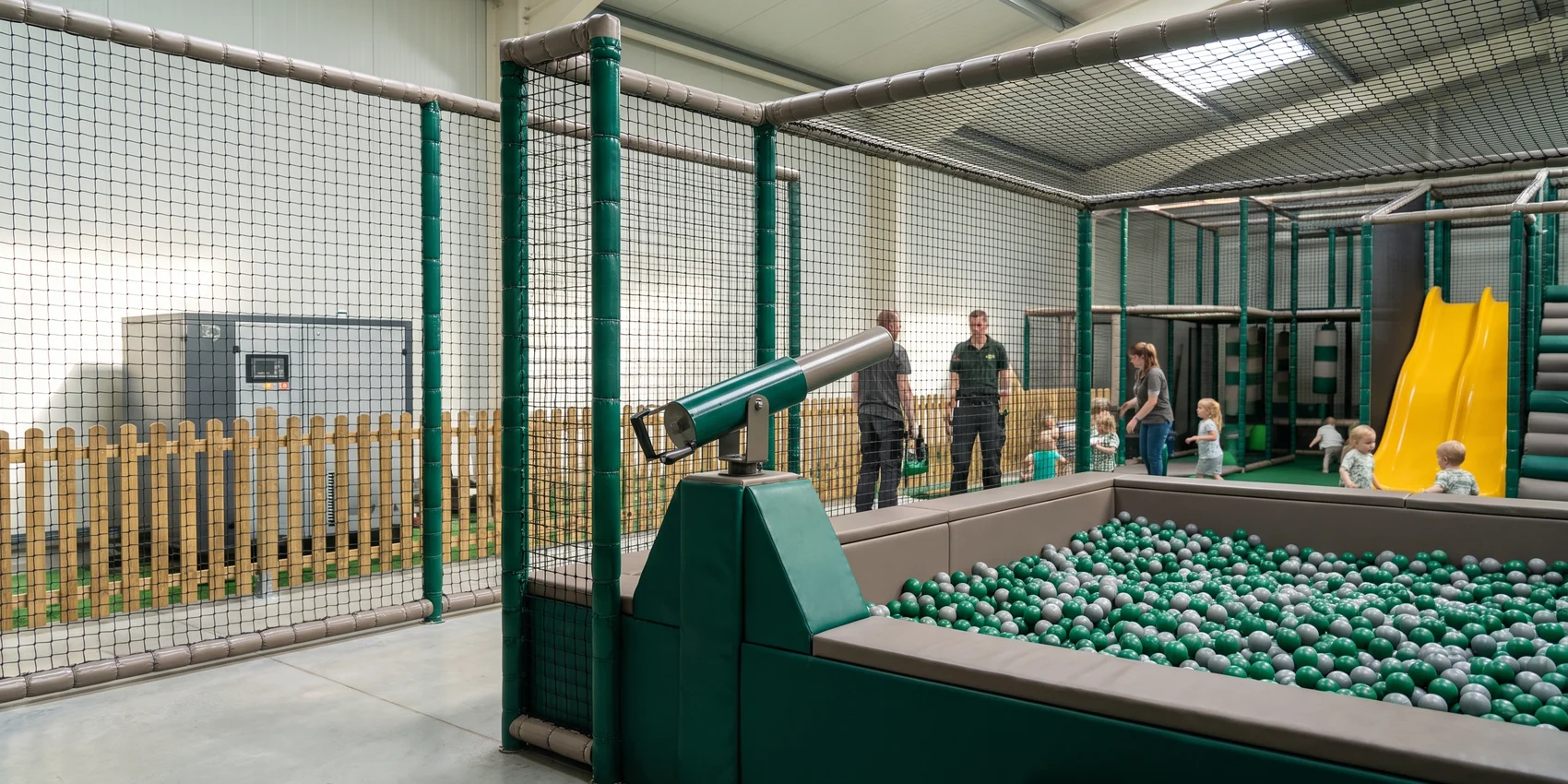
They shoot balls from the pit across the structure. Blasters and compressors come from a partner factory; on your drawing each blaster aims into the pit or across an open section, and the compressor sits outside the play area.
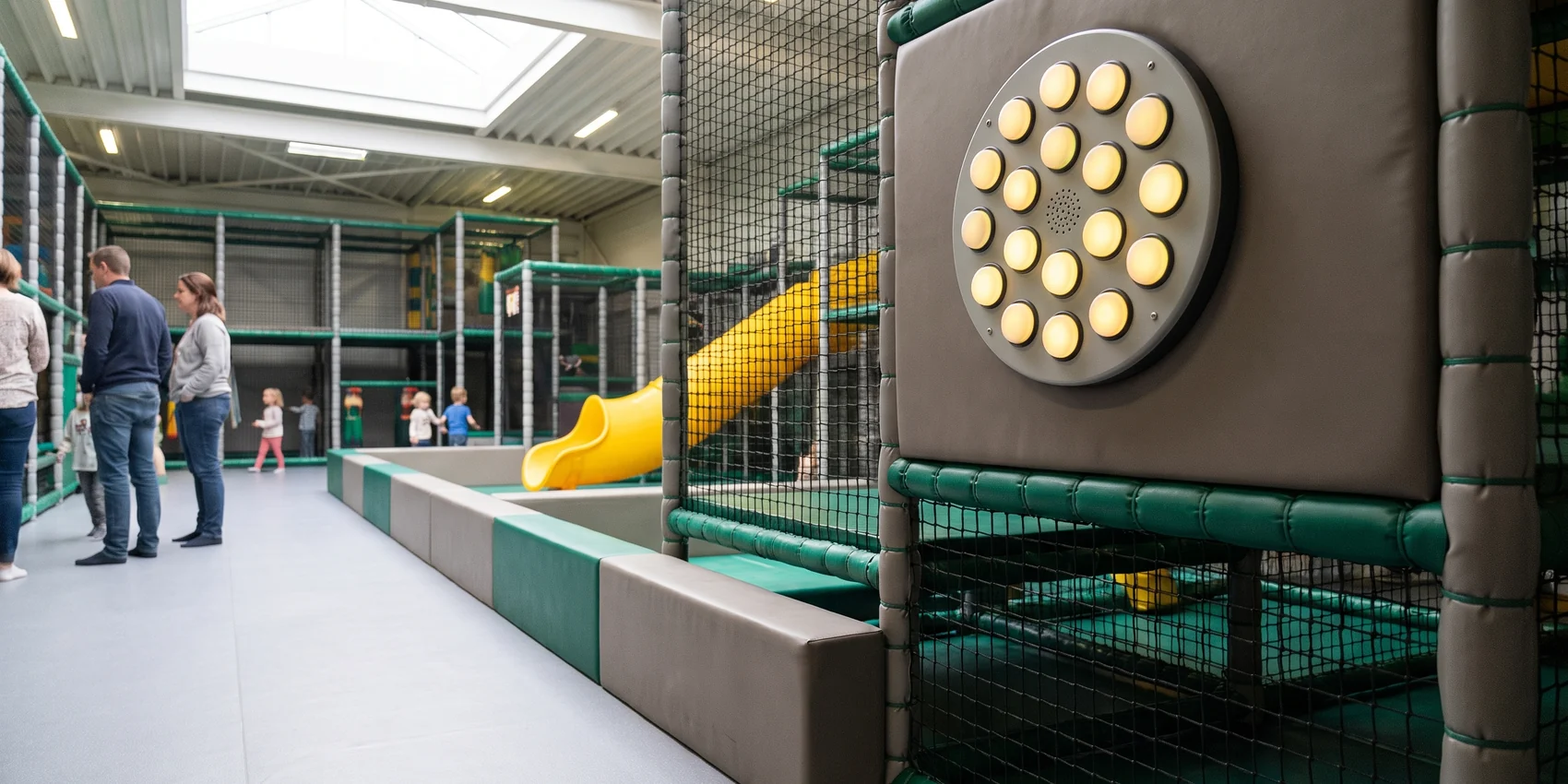
Electronic game panels come from a partner factory and are fixed into the structure at the positions on your drawing.
Like the fiberglass slides, every powered piece passes partner approval and a pre-loading QC inspection, and ships on the same loading date as your frame, padding and slides.
Every cover, net and mat on your structure is cut, sewn and labeled in the soft play sewing workshop we have run since 2016.
Soft play sewing workshop · since 2016
Send the theme and any colors or characters you use. The design office shows the panels, graphics, figures and cover colors on your 3D renders, and the approved colors go onto the installation drawing, so every cover is sewn in the color you approved.
Dealers can put their logo on HDPE panels and signage; the other dealer options are on wholesale playground equipment.
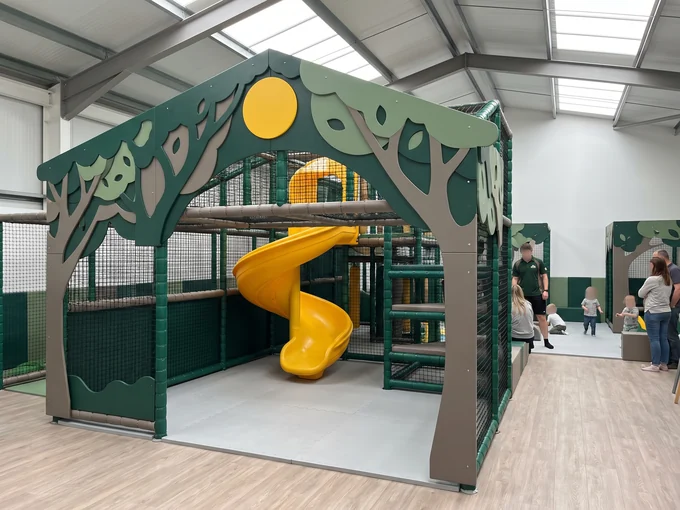
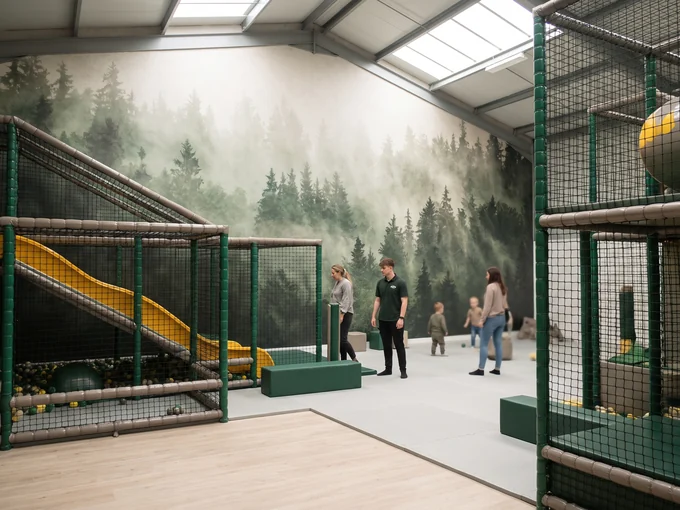
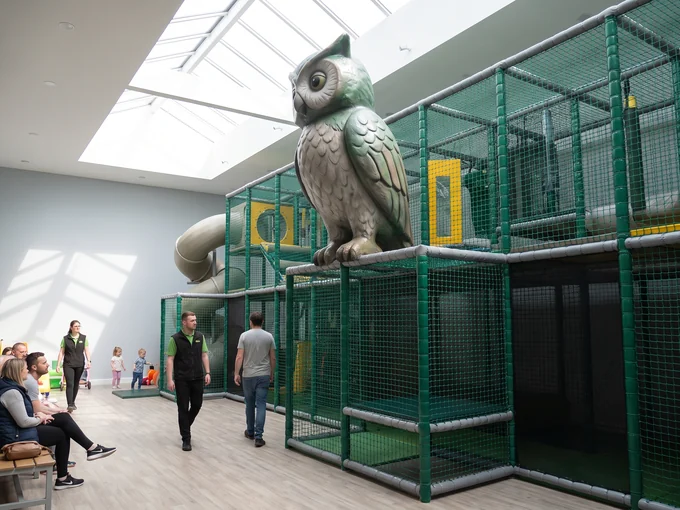
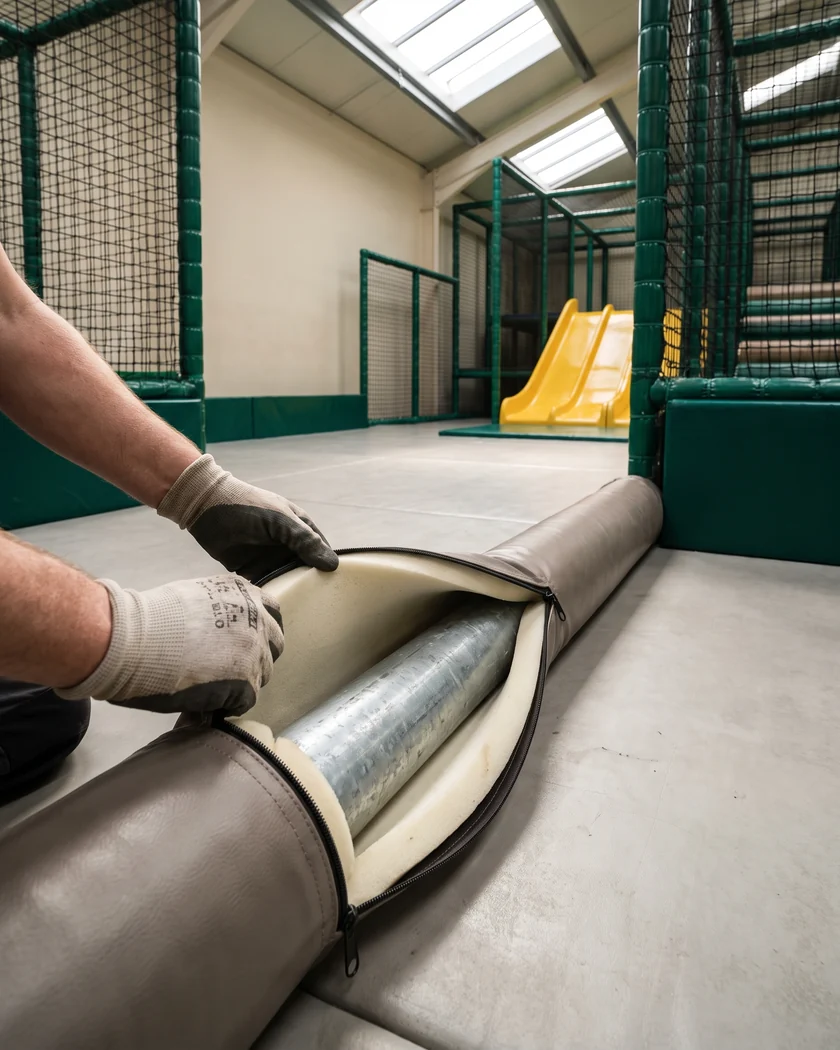 Velcro / zipper · removable
The padding on a soft play structure falls into two kinds: covers that come off, and covers that stay fixed.
Pipe padding covers close with Velcro or zippers. Venue staff take a cover off the frame for cleaning, or replace it, without removing the frame section underneath.
Each deck board is wrapped in EVA foam, covered in PVC leather or carpet in our sewing workshop, then fixed to the Ø48 mm frame.
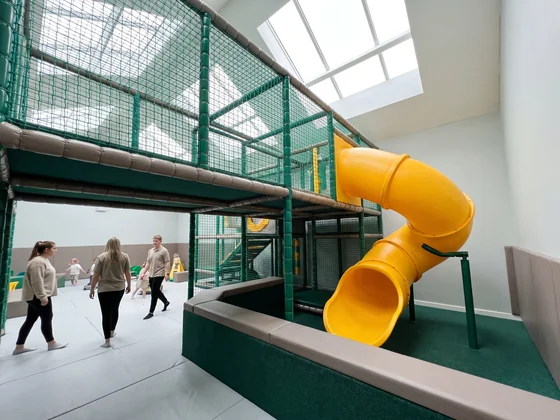
All padding is high-density sponge in fire-retardant PVC leather with heat-sealed edges. The batch-by-batch foam grade check and fire-retardant documents are on indoor playground equipment.
A replacement pipe cover is made to the part number and color of the one it replaces, the same number as on your packing list, such as S2-021.
The design office keeps starter layouts by venue type. Each one is a first drawing, then adjusted to your floor plan, ceiling height and visitors. Every order is still made to your approved drawing.
A compact soft play structure with a toddler zone beside it, placed next to the dining area and themed in the restaurant's colors.
Typical elements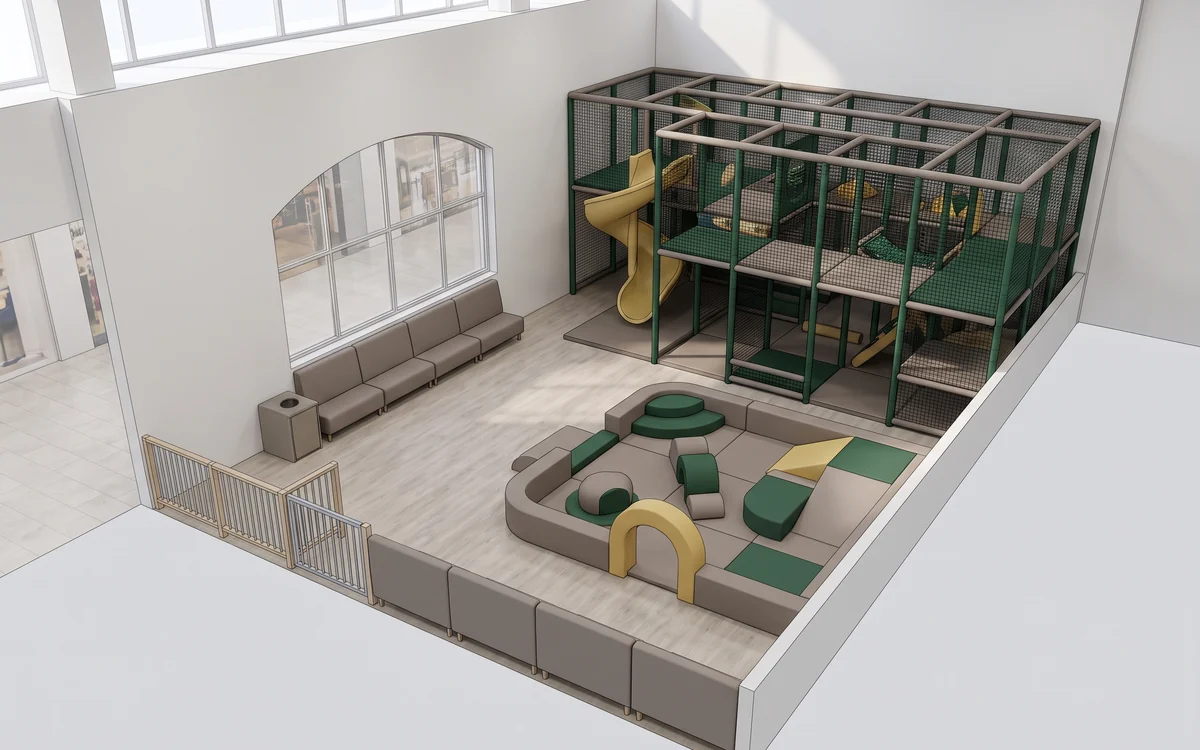
A soft play structure and toddler zone in a defined footprint, with an entrance to the zone and parent seating along its edge.
Typical elements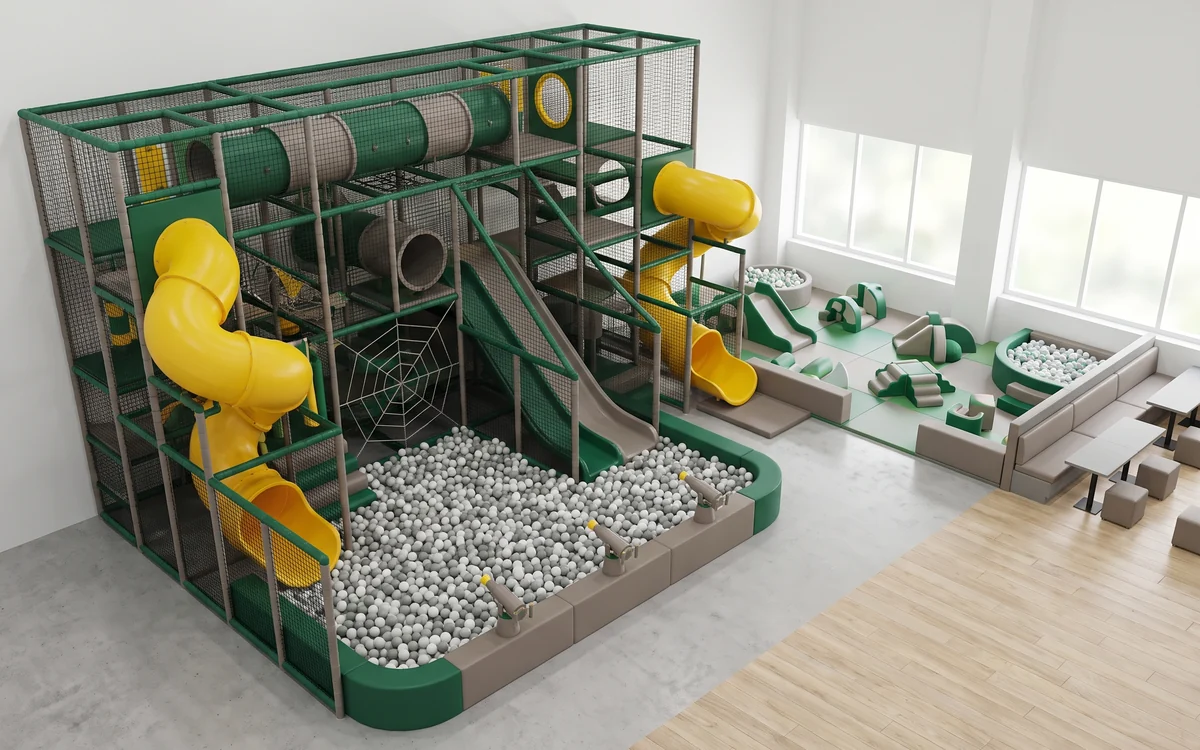
Levels set by the ceiling height, separate 2–5 and 5–12 zones, a toddler zone next to parent seating, and a ball pit with ball blasters.
Typical elementsTell us which starter layout is closest to your venue, and the first drawing you receive starts from it.
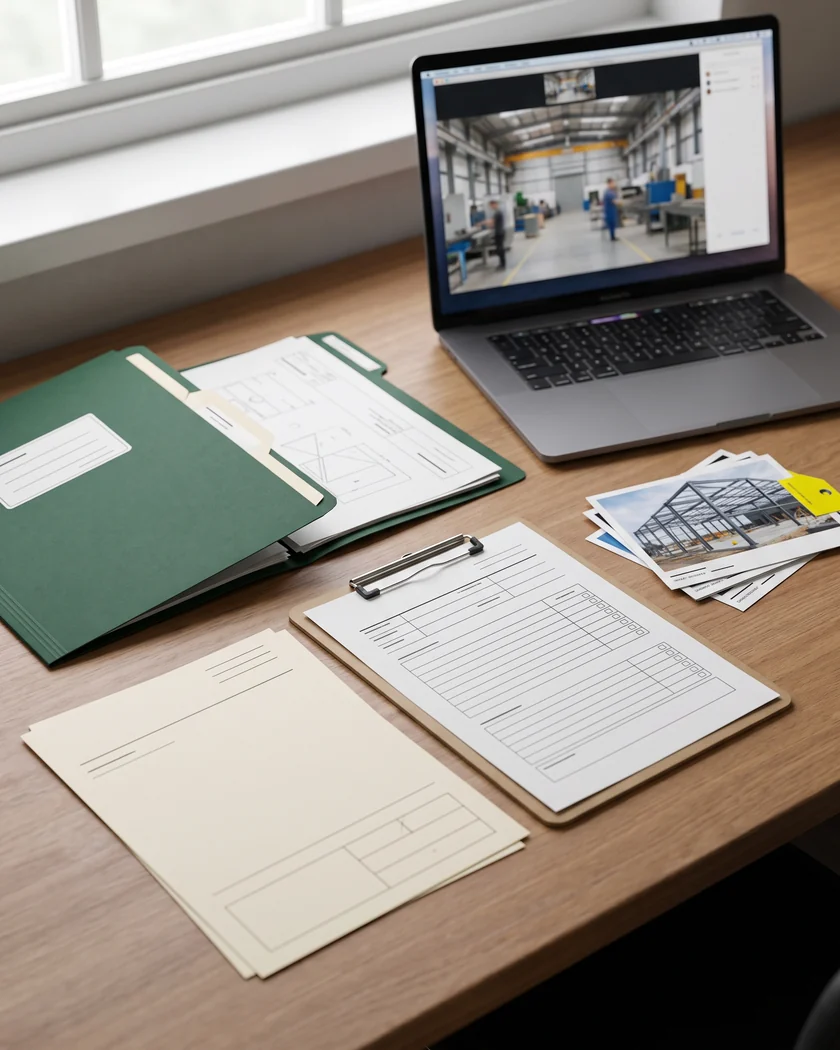
Every soft play order comes with records you can ask for and check against your own structure.
Every element on your drawing, with its material and its maker: our workshop, or a named partner-built item.
For each tube, spiral and roller slide on your order.
The QC result for each fiberglass slide, ball blaster, compressor and electronic panel before loading.
For the PVC leather and netting batches used on your structure, ball pit walls included.
Your frames with part numbers visible, sent before packing.
Booked while your structure is in production, so you see your own slides and frames against your drawing.
Soft play is made to your approved drawing. Four sources run to one loading date:
Cuts and bends the Ø48 mm frames.
Cuts, covers and labels the padding.
Molds the tube, spiral and roller slides.
Build the fiberglass slides and the powered pieces.
The general production and loading sequence is on how we build playgrounds, and installation support is on playground equipment installation.
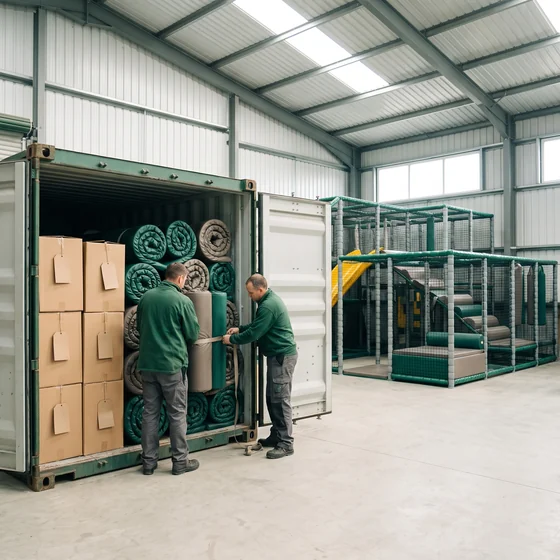
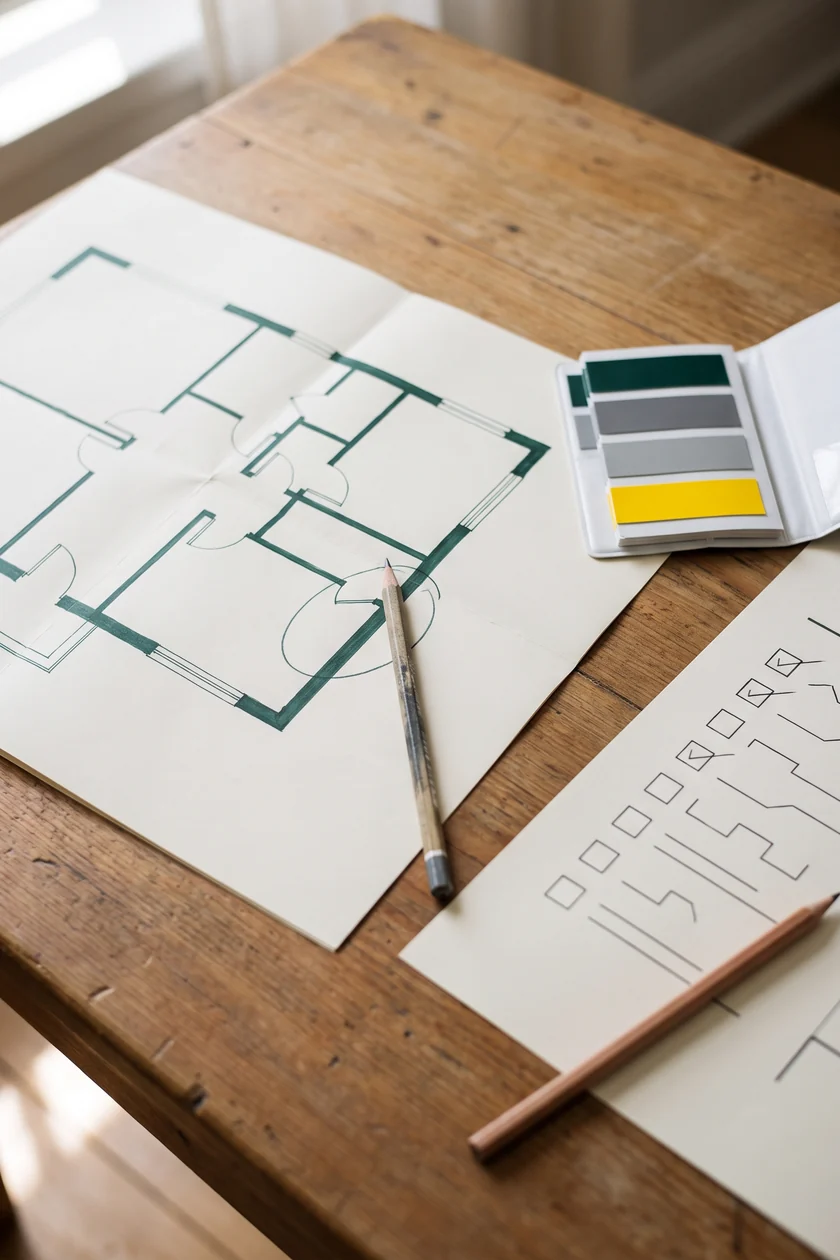
Along with your floor plan, clear ceiling height, columns and exits (the full indoor list is on indoor playground equipment), these soft play details get your first drawing close to final.
Toddler 6–23 months, 2–5 years, 5–12 years
Restaurant corner, mall zone or multi-level FEC structure
Tube, spiral, roller, wide wave, drop
Toddler pit, older-child pit, ball colors
Manual game panels, ball blasters, electronic panels
Theme, characters and cover colors, or colors from our standard chart
ASTM F1918 and ASTM F2373, or EN 1176, plus any fire testing your venue requires
Direct order, or as a dealer under your own brand
Layout steps: playground layout design.